भज गोविन्दम् Bhaja Govindam
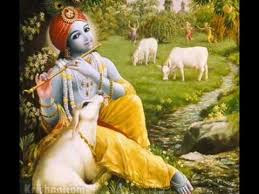
भज गोविन्दं भज गोविन्दं,
गोविन्दं भज मूढ़मते।
संप्राप्ते सन्निहिते काल
न हि न हि रक्षति डुकृञ् करणे ॥१॥
हे मोह से ग्रसित बुद्धि वाले मित्र, गोविंद को भजो, गोविन्द का नाम लो, गोविन्द से प्रेम करो क्योंकि मृत्यु के समय व्याकरण के नियम याद रखने से आपकी रक्षा नहीं हो सकती है ॥१॥
O deluded minded friend, chant Govinda, worship Govinda, love Govinda as memorizing the rules of grammar cannot save one at the time of death. ॥1॥
मूढ़ जहीहि धनागमतृष्णाम्,
कुरु सद्बुद्धिमं मनसि वितृष्णाम्।
यल्लभसे निजकर्मोपात्तम्,
वित्तं तेन विनोदय चित्तं ॥२॥
हे मोहित बुद्धि! धन एकत्र करने के लोभ को त्यागो। अपने मन से इन समस्त कामनाओं का त्याग करो। सत्यता के पथ का अनुसरण करो, अपने परिश्रम से जो धन प्राप्त हो उससे ही अपने मन को प्रसन्न रखो ॥२॥
O deluded minded ! Give up your lust to amass wealth. Give up such desires from your mind and take up the path of righteousness. Keep your mind happy with the money which comes as the result of your hard work. ॥2॥
नारीस्तनभरनाभीदेशम्,
दृष्ट्वा मागा मोहावेशम्।
एतन्मान्सवसादिविकारम्,
मनसि विचिन्तय वारं वारम् ॥३॥
स्त्री शरीर पर मोहित होकर आसक्त मत हो। अपने मन में निरंतर स्मरण करो कि ये मांस-वसा आदि के विकार के अतिरिक्त कुछ और नहीं हैं ॥३॥
Do not get attracted on seeing the parts of woman’s anatomy under the influence of delusion, as these are made up of skin, flesh and similar substances. Deliberate on this again and again in your mind. ॥3॥
नलिनीदलगतजलमतितरलम्,
तद्वज्जीवितमतिशयचपलम्।
विद्धि व्याध्यभिमानग्रस्तं,
लोक शोकहतं च समस्तम् ॥४॥
जीवन कमल-पत्र पर पड़ी हुई पानी की बूंदों के समान अनिश्चित एवं अल्प (क्षणभंगुर) है। यह समझ लो कि समस्त विश्व रोग, अहंकार और दु:ख में डूबा हुआ है ॥४॥
Life is as ephemeral as water drops on a lotus leaf . Be aware that the whole world is troubled by disease, ego and grief. ॥4॥
यावद्वित्तोपार्जनसक्त:,
तावन्निजपरिवारो रक्तः।
पश्चाज्जीवति जर्जरदेहे,
वार्तां कोऽपि न पृच्छति गेहे ॥५॥
जब तक व्यक्ति धनोपार्जन में समर्थ है, तब तक परिवार में सभी उसके प्रति स्नेह प्रदर्शित करते हैं परन्तु अशक्त हो जाने पर उसे सामान्य बातचीत में भी नहीं पूछा जाता है ॥५॥
As long as a man is fit and capable to earn money, everyone in the family show affection towards him. But after wards, when the body becomes weak no one enquires about him even during the talks. ॥5॥
यावत्पवनो निवसति देहे,
तावत् पृच्छति कुशलं गेहे।
गतवति वायौ देहापाये,
भार्या बिभ्यति तस्मिन्काये ॥६॥
जब तक शरीर में प्राण रहते हैं तब तक ही लोग कुशल पूछते हैं। शरीर से प्राण वायु के निकलते ही पत्नी भी उस शरीर से डरती है ॥६॥
Till one is alive, family members enquire kindly about his welfare . But when the vital air (Prana) departs from the body, even the wife fears from the corpse. ॥6॥
बालस्तावत् क्रीडासक्तः,
तरुणस्तावत् तरुणीसक्तः।
वृद्धस्तावच्चिन्तासक्तः,
परे ब्रह्मणि कोऽपि न सक्तः ॥७॥
बचपन में खेल में रूचि होती है , युवावस्था में युवा स्त्री के प्रति आकर्षण होता है, वृद्धावस्था में चिंताओं से घिरे रहते हैं पर प्रभु से कोई प्रेम नहीं करता है ॥७॥
In childhood we are attached to sports, in youth, we are attached to woman . Old age goes in worrying over every thing . But there is no one who wants to be engrossed in Govind, the parabrahman at any stage. ॥7॥
का ते कांता कस्ते पुत्रः,
संसारोऽयमतीव विचित्रः।
कस्य त्वं वा कुत अयातः,
तत्त्वं चिन्तय तदिह भ्रातः ॥८॥
कौन तुम्हारी पत्नी है, कौन तुम्हारा पुत्र है, ये संसार अत्यंत विचित्र है, तुम कौन हो, कहाँ से आये हो, बन्धु ! इस बात पर तो पहले विचार कर लो ॥८॥
Who is your wife ? Who is your son? Indeed, strange is this world. O dear, think again and again who are you and from where have you come. ॥8॥
सत्संगत्वे निस्संगत्वं,
निस्संगत्वे निर्मोहत्वं।
निर्मोहत्वे निश्चलतत्त्वं
निश्चलतत्त्वे जीवन्मुक्तिः ॥९॥
सत्संग से वैराग्य, वैराग्य से विवेक, विवेक से स्थिर तत्त्वज्ञान और तत्त्वज्ञान से मोक्ष की प्राप्ति होती है ॥९॥
Association with saints brings non-attachment, non-attachment leads to right knowledge, right knowledge leads us to permanent awareness,to which liberation follows. ॥9॥
वयसि गते कः कामविकारः,
शुष्के नीरे कः कासारः।
क्षीणे वित्ते कः परिवारः,
ज्ञाते तत्त्वे कः संसारः ॥१०॥
आयु बीत जाने के बाद काम भाव नहीं रहता, पानी सूख जाने पर तालाब नहीं रहता, धन चले जाने पर परिवार नहीं रहता और तत्त्व ज्ञान होने के बाद संसार नहीं रहता ॥१०॥
As lust without youth, lake without water, the relatives without wealth are meaningless, similarly this world ceases to exist, when the Truth is revealed? ॥10॥
मा कुरु धनजनयौवनगर्वं,
हरति निमेषात्कालः सर्वं।
मायामयमिदमखिलम् हित्वा,
ब्रह्मपदम् त्वं प्रविश विदित्वा ॥११॥
धन, शक्ति और यौवन पर गर्व मत करो, समय क्षण भर में इनको नष्ट कर देता है| इस विश्व को माया से घिरा हुआ जान कर तुम ब्रह्म पद में प्रवेश करो ॥११॥
Do not boast of wealth, friends (power), and youth, these can be taken away in a flash by Time . Knowing this whole world to be under the illusion of Maya, you try to attain the Absolute. ॥11॥
दिनयामिन्यौ सायं प्रातः,
शिशिरवसन्तौ पुनरायातः।
कालः क्रीडति गच्छत्यायुस्तदपि
न मुन्च्त्याशावायुः ॥१२॥
दिन और रात, शाम और सुबह, सर्दी और बसंत बार-बार आते-जाते रहते है काल की इस क्रीडा के साथ जीवन नष्ट होता रहता है पर इच्छाओ का अंत कभी नहीं होता है ॥१२॥
Day and night, dusk and dawn, winter and spring come and go. In this sport of Time entire life goes away, but the storm of desire never departs or diminishes. ॥12॥
द्वादशमंजरिकाभिरशेषः
कथितो वैयाकरणस्यैषः।
उपदेशोऽभूद्विद्यानिपुणैः, श्रीमच्छंकरभगवच्चरणैः ॥१२A॥
बारह गीतों का ये पुष्पहार, सर्वज्ञ प्रभुपाद श्री शंकराचार्य द्वारा एक वैयाकरण को प्रदान किया गया ॥१२अ॥
This bouquet of twelve verses was imparted to a grammarian by the all-knowing, god-like Sri Shankara. ॥12A॥
काते कान्ता धन गतचिन्ता,
वातुल किं तव नास्ति नियन्ता।
त्रिजगति सज्जनसं गतिरैका,
भवति भवार्णवतरणे नौका ॥१३॥
तुम्हें पत्नी और धन की इतनी चिंता क्यों है, क्या उनका कोई नियंत्रक नहीं है| तीनों लोकों में केवल सज्जनों का साथ ही इस भवसागर से पार जाने की नौका है ॥१३॥
Oh deluded man ! Why do you worry about your wealth and wife? Is there no one to take care of them? Only the company of saints can act as a boat in three worlds to take you out from this ocean of rebirths. ॥13॥
जटिलो मुण्डी लुञ्छितकेशः, काषायाम्बरबहुकृतवेषः।
पश्यन्नपि च न पश्यति मूढः,
उदरनिमित्तं बहुकृतवेषः ॥१४॥
बड़ी जटाएं, केश रहित सिर, बिखरे बाल , काषाय (भगवा) वस्त्र और भांति भांति के वेश ये सब अपना पेट भरने के लिए ही धारण किये जाते हैं, अरे मोहित मनुष्य तुम इसको देख कर भी क्यों नहीं देख पाते हो ॥१४॥
Matted and untidy hair, shaven heads, orange or variously colored cloths are all a way to earn livelihood . O deluded man why don’t you understand it even after seeing.॥14॥
अङ्गं गलितं पलितं मुण्डं,
दशनविहीनं जतं तुण्डम्।
वृद्धो याति गृहीत्वा दण्डं,
तदपि न मुञ्चत्याशापिण्डम् ॥१५॥
क्षीण अंगों, पके हुए बालों, दांतों से रहित मुख और हाथ में दंड लेकर चलने वाला वृद्ध भी आशा-पाश से बंधा रहता है ॥१५॥
Even an old man of weak limbs, hairless head, toothless mouth, who walks with a stick, cannot leave his desires. ॥15॥
अग्रे वह्निः पृष्ठेभानुः,
रात्रौ चुबुकसमर्पितजानुः।
करतलभिक्षस्तरुतलवासः,
तदपि न मुञ्चत्याशापाशः ॥१६॥
सूर्यास्त के बाद, रात्रि में आग जला कर और घुटनों में सर छिपाकर सर्दी बचाने वाला, हाथ में भिक्षा का अन्न खाने वाला, पेड़ के नीचे रहने वाला भी अपनी इच्छाओं के बंधन को छोड़ नहीं पाता है ॥१६॥
One who warms his body by fire after sunset, curls his body to his knees to avoid cold; eats the begged food and sleeps beneath the tree, he is also bound by desires, even in these difficult situations . ॥16॥
कुरुते गङ्गासागरगमनं,
व्रतपरिपालनमथवा दानम्।
ज्ञानविहिनः सर्वमतेन,
मुक्तिं न भजति जन्मशतेन ॥१७॥
किसी भी धर्म के अनुसार ज्ञान रहित रह कर गंगासागर जाने से, व्रत रखने से और दान देने से सौ जन्मों में भी मुक्ति नहीं प्राप्त हो सकती है ॥१७॥
According to all religions, without knowledge one cannot get liberated in hundred births though he might visit Gangasagar or observe fasts or do charity. ॥17॥
सुर मंदिर तरु मूल निवासः,
शय्या भूतल मजिनं वासः।
सर्व परिग्रह भोग त्यागः,
कस्य सुखं न करोति विरागः ॥१८॥
देव मंदिर या पेड़ के नीचे निवास, पृथ्वी जैसी शय्या, अकेले ही रहने वाले, सभी संग्रहों और सुखों का त्याग करने वाले वैराग्य से किसको आनंद की प्राप्ति नहीं होगी ॥१८॥
Reside in a temple or below a tree, sleep on mother earth as your bed, stay alone, leave all the belongings and comforts, such renunciation can give all the pleasures to anybody. ॥18॥
योगरतो वाभोगरतोवा,
सङ्गरतो वा सङ्गवीहिनः।
यस्य ब्रह्मणि रमते चित्तं,
नन्दति नन्दति नन्दत्येव ॥१९॥
कोई योग में लगा हो या भोग में, संग में आसक्त हो या निसंग हो, पर जिसका मन ब्रह्म में लगा है वो ही आनंद करता है, आनंद ही करता है ॥१९॥
One may like meditative practice or worldly pleasures , may be attached or detached. But only the one fixing his mind on God lovingly enjoys bliss, enjoys bliss, enjoys bliss. ॥19॥
भगवद् गीता किञ्चिदधीता,
गङ्गा जललव कणिकापीता।
सकृदपि येन मुरारि समर्चा,
क्रियते तस्य यमेन न चर्चा ॥२०॥
जिन्होंने भगवदगीता का थोडा सा भी अध्ययन किया है, भक्ति रूपी गंगा जल का कण भर भी पिया है, भगवान कृष्ण की एक बार भी समुचित प्रकार से पूजा की है, यम के द्वारा उनकी चर्चा नहीं की जाती है ॥२०॥
Those who study Gita, even a little, drink just a drop of water from the holy Ganga, worship Lord Krishna with love even once, Yama, the God of death has no control over them. ॥20॥
पुनरपि जननं पुनरपि मरणं,
पुनरपि जननी जठरे शयनम्।
इह संसारे बहुदुस्तारे,
कृपयाऽपारे पाहि मुरारे ॥२१॥
बार-बार जन्म, बार-बार मृत्यु, बार-बार माँ के गर्भ में शयन, इस संसार से पार जा पाना बहुत कठिन है, हे कृष्ण कृपा करके मेरी इससे रक्षा करें ॥२१॥
Born again, die again, stay again in the mother’s womb, it is indeed difficult to cross this world. O Murari ! please help me through your mercy. ॥21॥
रथ्या चर्पट विरचित कन्थः,
पुण्यापुण्य विवर्जित पन्थः।
योगी योगनियोजित चित्तो,
रमते बालोन्मत्तवदेव ॥२२॥
रथ के नीचे आने से फटे हुए कपडे पहनने वाले, पुण्य और पाप से रहित पथ पर चलने वाले, योग में अपने चित्त को लगाने वाले योगी, बालक के समान आनंद में रहते हैं ॥२२॥
One who wears cloths ragged due to chariots, move on the path free from virtue and sin,keeps his mind controlled through constant practice, enjoys like a carefree exuberant child. ॥22॥
कस्त्वं कोऽहं कुत आयातः,
का मे जननी को मे तातः।
इति परिभावय सर्वमसारम्,
विश्वं त्यक्त्वा स्वप्न विचारम् ॥२३॥
तुम कौन हो, मैं कौन हूँ, कहाँ से आया हूँ, मेरी माँ कौन है, मेरा पिता कौन है? सब प्रकार से इस विश्व को असार समझ कर इसको एक स्वप्न के समान त्याग दो ॥२३॥
Who are you ? Who am I ? From where I have come ? Who is my mother, who is my father ? Ponder over these and after understanding,this world to be meaningless like a dream,relinquish it. ॥23॥
त्वयि मयि चान्यत्रैको विष्णुः,
व्यर्थं कुप्यसि मय्यसहिष्णुः।
भव समचित्तः सर्वत्र त्वं,
वाञ्छस्यचिराद्यदि विष्णुत्वम् ॥२४॥
तुममें, मुझमें और अन्यत्र भी सर्वव्यापक विष्णु ही हैं, तुम व्यर्थ ही क्रोध करते हो, यदि तुम शाश्वत विष्णु पद को प्राप्त करना चाहते हो तो सर्वत्र समान चित्त वाले हो जाओ ॥२४॥
Lord Vishnu resides in me, in you and in everything else, so your anger is meaningless . If you wish to attain the eternal status of Vishnu, practice equanimity all the time, in all the things. ॥24॥
शत्रौ मित्रे पुत्रे बन्धौ,
मा कुरु यत्नं विग्रहसन्धौ।
सर्वस्मिन्नपि पश्यात्मानं,
सर्वत्रोत्सृज भेदाज्ञानम् ॥२५॥
शत्रु, मित्र, पुत्र, बन्धु-बांधवों से प्रेम और द्वेष मत करो, सबमें अपने आप को ही देखो, इस प्रकार सर्वत्र ही भेद रूपी अज्ञान को त्याग दो ॥२५॥
Try not to win the love of your friends, brothers, relatives and son(s) or to fight with your enemies. See yourself in everyone and give up ignorance of duality everywhere.॥25॥
कामं क्रोधं लोभं मोहं,
त्यक्त्वाऽत्मानं भावय कोऽहम्।
आत्मज्ञान विहीना मूढाः,
ते पच्यन्ते नरकनिगूढाः ॥२६॥
काम, क्रोध, लोभ, मोह को छोड़ कर, स्वयं में स्थित होकर विचार करो कि मैं कौन हूँ, जो आत्म- ज्ञान से रहित मोहित व्यक्ति हैं वो बार-बार छिपे हुए इस संसार रूपी नरक में पड़ते हैं ॥२६॥
Give up desires, anger, greed and delusion. Ponder over your real nature . Those devoid of the knowledge of self come in this world, a hidden hell, endlessly. ॥26॥
गेयं गीता नाम सहस्रं,
ध्येयं श्रीपति रूपमजस्रम्।
नेयं सज्जन सङ्गे चित्तं,
देयं दीनजनाय च वित्तम् ॥२७॥
भगवान विष्णु के सहस्त्र नामों को गाते हुए उनके सुन्दर रूप का अनवरत ध्यान करो, सज्जनों के संग में अपने मन को लगाओ और गरीबों की अपने धन से सेवा करो ॥२७॥
Sing thousand glories of Lord Vishnu, constantly remembering his form in your heart. Enjoy the company of noble people and do charity for the poor and the needy. ॥27॥
सुखतः क्रियते रामाभोगः,
पश्चाद्धन्त शरीरे रोगः।
यद्यपि लोके मरणं शरणं,
तदपि न मुञ्चति पापाचरणम् ॥२८॥
सुख के लिए लोग आनंद-भोग करते हैं जिसके बाद इस शरीर में रोग हो जाते हैं। यद्यपि इस पृथ्वी पर सबका मरण सुनिश्चित है फिर भी लोग पापमय आचरण को नहीं छोड़ते हैं ॥२८॥
People use this body for pleasure which gets diseased in the end. Though in this world everything ends in death, man does not give up the sinful conduct. ॥28॥
अर्थंमनर्थम् भावय नित्यं,
नास्ति ततः सुखलेशः सत्यम्।
पुत्रादपि धनभजाम् भीतिः,
सर्वत्रैषा विहिता रीतिः ॥२९॥
धन अकल्याणकारी है और इससे जरा सा भी सुख नहीं मिल सकता है, ऐसा विचार प्रतिदिन करना चाहिए | धनवान व्यक्ति तो अपने पुत्रों से भी डरते हैं ऐसा सबको पता ही है ॥२९॥
Keep on thinking that money is cause of all troubles, it cannot give even a bit of happiness. A rich man fears even his own son . This is the law of riches everywhere. ॥29॥
प्राणायामं प्रत्याहारं,
नित्यानित्य विवेकविचारम्।
जाप्यसमेत समाधिविधानं,
कुर्ववधानं महदवधानम् ॥३०॥
प्राणायाम, उचित आहार, नित्य इस संसार की अनित्यता का विवेक पूर्वक विचार करो, प्रेम से प्रभु-नाम का जाप करते हुए समाधि में ध्यान दो, बहुत ध्यान दो ॥३०॥
Do pranayam, the regulation of life forces, take proper food, constantly distinguish the permanent from the fleeting, Chant the holy names of God with love and meditate,with attention, with utmost attention. ॥30॥
गुरुचरणाम्बुज निर्भर भक्तः, संसारादचिराद्भव मुक्तः।
सेन्द्रियमानस नियमादेवं,
द्रक्ष्यसि निज हृदयस्थं देवम् ॥३१॥
गुरु के चरण कमलों का ही आश्रय मानने वाले भक्त बनकर सदैव के लिए इस संसार में आवागमन से मुक्त हो जाओ, इस प्रकार मन एवं इन्द्रियों का निग्रह कर अपने हृदय में विराजमान प्रभु के दर्शन करो ॥३१॥
Be dependent only on the lotus feet of your Guru and get salvation from this world. Through disciplined senses and mind, you can see the indwelling Lord of your heart !॥31॥
मूढः कश्चन वैयाकरणो,
डुकृञ्करणाध्ययन धुरिणः।
श्रीमच्छम्कर भगवच्छिष्यै,
बोधित आसिच्छोधितकरणः ॥३२॥
इस प्रकार व्याकरण के नियमों को कंठस्थ करते हुए किसी मोहित वैयाकरण के माध्यम से बुद्धिमान श्री भगवान शंकर के शिष्य बोध प्राप्त करने के लिए प्रेरित किये गए ॥३२॥
Thus through a deluded grammarian lost in memorizing rules of the grammar, the all knowing Sri Shankara motivated his disciples for enlightenment. ॥32॥
भजगोविन्दं भजगोविन्दं,
गोविन्दं भजमूढमते।
नामस्मरणादन्यमुपायं,
नहि पश्यामो भवतरणे ॥३३॥
गोविंद को भजो, गोविन्द का नाम लो, गोविन्द से प्रेम करो क्योंकि भगवान के नाम जप के अतिरिक्त इस भव-सागर से पार जाने का अन्य कोई मार्ग नहीं है ॥३३॥
O deluded minded friend, chant Govinda, worship Govinda, love Govinda as there is no other way to cross the life’s ocean except lovingly remembering the holy names of God. ॥33॥
 Business So Simple