Srimad Bhagavatam: The Lord in the Heart (Canto 2, Chapter 2)


Text 1

S’rî S’uka said: ‘By contemplating the Supreme Self [of the Universal Form] from which one generated [like Lord Brahmâ did] one, by thus finding satisfaction [with the Original Person], regains the remembrance that was lost. With one’s vision thus cleared the intelligence then operates as before so that one can get one’s life in order.

S’rî S’uka said: ‘Soon, the soul from its birth, meditating the Universal Form regains its lost memories in thus finding peace with the Lord, whereafter, with a cleared vision, it can rebuild its life the way it was before.  (Vedabase)

Text 2

One’s [spiritual] adherence to the sounds of the [impersonal] Absolute Truth makes the intelligence, because of the many terms [associated with it], ponder over incoherent ideas because of which one, without ever finding joy, wanders around in illusory realities – and the different desires belonging to them -, as if one is dreaming.
For certain the adherence to the spiritual makes the intelligence, because of its many names, ponder over meaningless ideas in which one wanders around in realities of illusion and its different desires without ever enjoying, as if one is dreaming.  (Vedabase)

Text 3

With the practical insight that he otherwise would be engaged in [useless] troublesome work, an intelligent attentive person fixed in his attention to achieve perfection [in meditation], must therefore only minimally, not more than necessary, abide by imaginary [non-spiritual] purposes.

Therefore the enlightened person in the world of names should restrict himself to the bare necessities without being mad of desire, intelligently being fixed [on the Universal Form] in order to be successful. He should arrive at the practical insight that otherwise he would endeavor for the sake of hard work only. 

Text 4

What is the need for endeavoring for a bed when you can lie on the ground; why would you strive for a pillow when you have your arms; why should you endeavor for utensils if you can eat with your hands and why would you worry about clothing when the trees are there [with their bark]?
What is the need of a bed, when one can lie on the ground; what is the need of a pillow when one has his arms; why should one use utensils if one can eat with one’s hands and with the cover of trees, what is the use of clothing? 

Text 5

Are there no rags lying in the street, is there no giving in charity; do the trees not offer their alms maintaining others; have the rivers dried up; are the caves closed; has the Almighty Lord given up on protecting the surrendered soul? Why would a learned man then have to speak to the liking of those who are led by wealth?
Aren’t there rags lying on the road, isn’t there giving in charity; don’t the trees offer their alms maintaining others; have the rivers dried up; are the caves closed; did the Almighty Lord give up His protecting the surrendered soul? Then why should a learned man flatter the ones intoxicated by wealth? 

Text 6

When one thus with the matter of Him, the most cherished, eternal, One Supersoul fully present in one’s heart, is detached from the world, one must be of worship for Him, the Fortunate One, the permanent gain by which for certain the cause of one’s material bondage is put to an end.
Thus will for certain with the worship of the in one’s heart so dearly cherished goal of the Supersoul perfect in itself, in detachment from the world for the sake of Him, the Eternal and Unlimited Supreme Lord, give the highest and lasting gain in which the cause of material bondage no doubt will find its end. 

Text 7

Who else but the materialists would with neglecting the transcendental thoughts take to the non-permanent of material denominations because of which they, who constitute the general mass of the people that is controlled by the misery of the reactions of its fruitive labor, see themselves as fallen into the river of suffering?
Who else but the materialists would by neglecting the transcendental thoughts take to the non-permanent of names and see themselves, the general mass of the people, fallen into the river of suffering being overtaken by the misery that is the consequence of their own work? 

Text 8

Others see in the meditation upon Him within their own body the Personality of Godhead residing in the region of the heart measuring eight inches, having four arms, carrying the lotus, the wheel of the chariot, the conch shell and the club. 
Others see in the meditation on Him within their own body in the region of the heart the Personality of God residing there measuring eight inches in the notion of Him as having four arms, carrying the lotus, the wheel of the chariot, the conchshell and the club. 

Text 9

With His mouth expressing happiness, His eyes wide open like a lotus, His clothes yellowish like a Kadamba flower, bedecked with jewels and with golden ornaments studded with precious stones, He wears a glowing headdress with earrings.
With His mouth expressing happiness, His eyes wide spread like a lotus, His clothes yellowish like a Kadamba flower bedecked with jewels and with golden ornaments studded with precious stones, He wears a glowing headdress with earrings.  

Text 10

His feet are positioned on the whorl of the lotus hearts of the great mystics. On His chest He wears the beautifully engraved Kaustubha jewel and around His neck He has a fresh flower garland spreading its beauty.
His feet are on the whorl of the lotus hearts of the great mystics. On His chest He wears the beautifully engraved Kaustubha jewel and around His neck He has a fresh flower garland spreading its beauty. 

Text 11

With a decorative wrap around His waist, valuable finger rings, ringing leglets, bangles, oiled spotless bluish, curly hair and His beautiful, smiling face He looks very pleasing.
With a decorative wrap around His waist, valuable finger rings, ringing leglets, bangles, oiled spotless bluish, curling hair and His beautiful, smiling face He looks very pleasing. 

Text 12

His magnanimous pastimes and the glowing glances of His expression are indicative of the extensive benedictions of this particular transcendental form of the Lord one should focus upon as long as the mind can be fixed on it for the purpose of one’s meditation.
His magnanimous pastimes and the glowing glances of His expression are indicative for the extensive benedictions of this particular transcendental form of the Lord one should focus on as long as the mind can be fixed on it for one’s meditation. 

Text 13

One should meditate upon the limbs one by one, starting from the feet up, until one sees His smiling face, and thus gradually taking control over the mind one departs in one’s meditation for higher and higher spheres and purifies that way the intelligence.
One by one, one should meditate the limbs, from the feet up, until one sees the smiling of His face, and thus gradually taking control over the mind one leaves in meditation for higher and higher spheres and purifies that way the intelligence. 

Text 14

As long as the materialist has not developed devotional service to this form of the Lord who is the seer of the mundane and transcendental worlds, he must, when he is finished with his prescribed duties, with proper attention remember the Universal Form of the Original Person.
As long as the materialist does not develop devotional service to this form of the Lord, the seer of the mundane and transcendental worlds, he should, at the end of his prescribed duties, remember the Universal Form of the Original Person with proper attention. 

Text 15

Whenever one desires to give up one’s body oh King, one should as a sage, without being disturbed, comfortably seated and with one’s thinking unperturbed by matters of time and place, in control of the life air restrain the senses with the help of the mind.
Whenever one desires to give up one’s body, o King, one should as a sage without being disturbed, comfortably seated with one’s thinking unperturbed by matters of time and place, control the senses by the mind in conquering the breath of life.  

Text 16

Regulating the mind by the power of one’s pure intelligence in relation to the original witness within [the ‘knower of the field’], one should merge with this self. That self should be confined to the fully satisfied Supersoul and thus putting an end to all activities, one will attain full bliss.
The mind, by its own pure intelligence, should, by regulating itself to the living being with all of it, merge with the self, while that self should be locked to the fully satisfied Supersoul so that it thus, ending all other activities, may attain the full bliss. 

Text 17

Therein one will not find the supremacy of time that for sure controls the godly who direct the worldly creatures with their demigods, nor will one find there mundane goodness, passion or ignorance or any material change or causality of nature at large.
Therein one will not find the supremacy of time that for sure controls the godly who direct the worldly creatures with their demigods, nor will one find there mundane goodness, passion or ignorance, nor any material change or causality of intelligence or nature.  

Text 18

Knowing what and what not relates to the divine of the transcendental position, they who wish to avoid what is godless, completely give up the perplexities [of arguing to time and place], and place thereto in purely at Him directed good-will every moment His worshipable lotus feet in their heart.
Knowing what and what not relates to the divine of the supreme situation, those desiring to avoid the godless give up the perplexities [of arguing to time and place] completely in the absolute of the good will taking the worshipable lotus feet in their heart at every moment. 

Text 19

The sage familiar with the science of properly regulating the force [of the senses] in service of the purpose of life, should retire in the following wayhe must block his arse [‘air-hole’] with his heel and direct the life air upward through the six primary places [navel, plexus, heart, throat, eyebrows and top of the skull] and thus overcome the state of material inertia.
Through insight the philosopher thus should retire, familiar with the science of properly regulating the energy for the purpose of life, by blocking the arse [‘air-hole’] with one’s heel and directing the life air upward through the six primary places [navel, plexus, heart, throat, eyebrows and top of the skull] and thus put an end to the material desire. 

Text 20

The meditator should, with the strength of his vision of wisdom, gradually direct the life breath from the navel to the plexus [the ‘heart’] and from there to the chest from where he should bring it slowly into his throat and thus extinguish his material desires. 
The soaring force should gradually be directed from the navel to the plexus [the ‘heart’] onwards to the chest from where the meditator intelligently should search out the meditative by bringing it slowly into the throat. 

Text 21

The seer who is of detachment should, in order to attain the Supreme, by blocking the seven outlets [the ears, the eyes, the nostrils and the mouth], from between the eyebrows enter the domain of the head to remain there for a while (‘half an hour’) for the sake of the ever fresh eternality.
From between the eyebrows the seer should, blocking the outlet of the seven centers and maintaining to the fearless, independent of sense enjoyment, for a while (‘half an hour’), enter the domain of the head and give up for the sake of the Supreme.  

Text 22

If one, however, fosters a desire, oh King, to lord over what one calls the realm of enjoyment of the gods in the sky, or wishes to rule the world of the gunas [the modes of nature] using the eight mystic powers [the eight siddhis or perfections], one inevitably has to count with the mind and the senses associated therewith.
If however one maintains a desire, o King, to lord over, what one calls, the place of enjoyment of the gods in the sky, or with the eight mystic powers, [the eight siddhis] in the world of the guna’s [modes of nature] one will surely have to take it up with the mind and the senses that come along with it also. 

Text 23

One says that the great transcendentalists in the realm of the subtle body, because of their knowledge, austerity, yoga and absorption are able to move freely within and without the three worlds, while those who do their work based upon material motives never attain such progress.
One says of the destination of the great transcendentalists who reside within and without of the three worlds, that they exist from within the air of the subtle body, while those who do their work materially motivated never attain to the progress to which those in the absorption of yoga achieve in the austerity of devotional service. 

Text 24

In the control of the divinity of fire [Vais’vânara, or with regular sacrifice and meditation] one attains by following the path of [the sushumnâ, the channel of balancing] thebreath, the illuminating pure Spirit of the Absolute [Brahmaloka, the place of the Creator], whereupon being freed from impurities going upwards one [in respect of the cyclic order of the luminaries] reaches the [galactic cakra order of the] Lord, oh King, called  S’is’umâra [meaning: dolphin, to the form of the Milky Way, galactic time].
In the control of the divinity of fire one reaches, following the movements in the sky, through the gracious passage of breath [the sushumnâ], the pure spirit [Brahmaloka, place of the Creator] that is illuminating and washing off the contaminations, after which one reaching upward attains to the circle [the cakra, the wheel], o King, called S’is’umâra [meaning: dolphin, to the form of the Milky Way, galactic time].  (Vedabase)

Text 25

Passing beyond that navel of the universe, the pivot, the center of spin of the Maintainer [Vishnu], only the individual living being who got purified by the realization of his smallness [the yogi], reaches the place worshiped by those who know the Absolute Spirit. The self-realized souls enjoy their stay there for the time of a kalpa [a day of Brahmâ].
Passing beyond that navel of the universe, the pivot of the Maintainer [Vishnu], is by the single living entity purified by the realization of his smallness, the place reached worshipable to those transcedentally situated, where the self-realized souls enjoy for the time of a kalpa [a day of Brahmâ]. 

Text 26

Thereupon he who from the bed of Vishnu [Ananta] sees how the universe is burning to ashes because of the fire from His mouth, will leave that place for the supreme abode that lasts for two parârdhas [the two halves of the life of Brahmâ] and is the home of the purified souls of elevation.
Thereupon, will he, who sees from the bed of Vishnu [Ananta] the universe burning to ashes by the fire of His mouth, be gone from that place to the supreme abode [of Brahmâ] that, home to the purified souls of elevation, lasts for two parârdhas [the two halves of the life of Brahmâ]. 
Text 27

There one will never find bereavement or old age, death, pain or anxieties, save that one sometimes has feelings of compassion when one sees the ignorant who are subjected to the hard to overcome misery of the repetition of birth and death.
There one will never find bereavement or old age, death, pain or anxieties, save that one sometimes has feelings of compassion, seeing how the ignorant are subjected to the hard to vercome misery of the repetition of birth and death. 
 

Text 28

After surpassing the forms of water and fire and thus having reached that pure self free from fear, one thus having attained the effulgent atmosphere, in due course of time by the self its air reaches the ethereal self, the true greatness of one’s soul.
Without doubt from that pure self one attains, surpassing the forms of water and fire, to the effulgent atmosphere where, in due course of time, the self by its air attains to the ethereal, the real greatness of the soul. 
  

Text 29

By scents having the smell, by the palate having the taste, by the eye having visions, by physical contact being in touch and finally by sound vibrations experiencing the quality of the ether, the yogi by dint of  the activity of the senses also attains [the more subtle sphere].

By smelling scents, by the taste of the palate, by the seeing of forms and being in touch through physical contact, and, as it were, through aural reception attaining to the identification with the ethereal, the yogi by the senses also attains to material actions. 


Text 30

After he thus at the mental level in relation to the gross and subtle has reached a neutral point of I-awareness, he in the mode of goodness surpasses that realization of himself that is subject to change [the ego] and progresses, by stopping the operation of the natural modes, towards the reality of perfect wisdom.
In the mode of goodness he surpasses the change to the material form by neutralizing the gross and subtle senses, seeing by that progress the wisdom of true reality [self-realization] coming along in that complete suspension of the [operating] material modes. 

Text 31

By that purification towards the self of the Supersoul, the person attains the peace, satisfaction and natural delight of being freed from all impurities. He who attains this destination of devotion certainly will never again get attracted to this material world, my dearest [Parîkchit].
The person by that purification to the self of the Supersoul attains to the rest, satisfaction and natural delight of being freed from all contaminations. He who attains to this destination of devotion for sure will never become attracted to this material world again, my dearest [Parîkchit]. (Vedabase)

Text 32

The [two direct and indirect] paths that I described to you, oh protector of man, is as your Majesty requested in proper accord with the Vedas. It is also in full agreement with the eternal truth as formerly explained by Lord Vâsudeva to Lord Brahmâ who had satisfied Him in worship.
All that I described to you, o protector of man, is according to the Vedas as your Majesty properly requested for, and it is also verily in accord with the eternal truth as it definitely was heard in the pure of the spirit to the satisfaction of the worshiped Supreme Lord Vâsudeva.  

Text 33

For those who in this life wander around in the material universe, there is for sure no way of attaining more auspicious than the [direct] path by which one arrives at the devotional service [bhakti-yoga] of the Supreme Personality Lord Vâsudeva.
For those wandering in this life in the material universe, is there for sure nothing more auspicious as a means of attaining than that at which is aimed in the devotional service [bhakti-yoga] towards the Supreme Personality Lord Vâsudeva. 

Text 34

The great personality [Vyâsadeva] studied the Vedas three times in total and scrutinously, with scholarly attention examining them he ascertained that someone is optimally focussed when he is attracted to the soul.
The great personality [Vyâsadeva] studied the Vedas three times, and scrutinizingly examining with scholarly attention, he ascertained that one’s mind is properly fixed in being attracted to the soul. 

Text 35

The Supreme Personality can be perceived in all living beings as the actual nature of that soul, as the Lord who by the intelligence of the seer is recognized by inference from different signs and effects.
The Supreme Personality can be perceived in all living beings as the actual nature of that soul; as the Lord who is discerned by the intelligence of the seer in different signs and suppositions. 

Text 36

Therefore every human soul, oh King, must wherever he is and whenever he exists, hear about, glorify and remember the Lord as the Supreme Personality of the human being.
Therefore must every human soul, o King, wherever and whenever hear about, glorify and remember the Lord, the Supreme Personality.  

Text 37

They who fill their ears with the narrations about the Supreme Lord most dear to the devotees and drink from that nectar, will find their, by material pleasure contaminated, state of mind purified and return to the presence of His lotus feet.’  

Those who drink the nectar filling their ears with the narrations about the Supreme Lord, the dearest to the devotees, will purify their material enjoyment, the polluted aim of life, and go back to the feet that reside near the lotus.’ 

Srimad Bhagavatam: The First Step in God Realization (Canto 2, Chapter 1)

Text 1
S’rî S’uka said: ‘This inquiry of yours for the good of all people is the best thing you can do, because this subject of study, oh King, carries the approval of the transcendentalists and constitutes the supreme of all that is worth the attention.

Text 2
Oh Emperor, there are countless subject matters to hear about in human society that are of interest to those who, attached to their household life, are materially engrossed and are blind to the reality of the soul. 

Text 3
They spend their lives, oh King, with sleeping and making love during the night and with making money and taking care of their family during the day.

Text 4
Overly attached to the fallible allies of the body, the children, the wife and everything thereto, they, despite their experience, do not see the finality of these matters.

Text 5 
For that reason, oh descendant of Bharata, He must be discussed, glorified and remembered who as the Supersoul, the Supreme Personality, the controller and vanquishing Lord, frees those who are of desire from their anxieties.

Text 6

All this analyzing in the knowledge of yoga of one’s particular nature and how a person after being born should attain the full awareness of the Supreme, in the end only concerns the remembrance of Nârâyana [Krishna as the Supreme Personality].

Text 7

In general it are the sages who, free from the material modes having mastered the prescriptions and restrictions, oh King, take pleasure in especially describing the glories of the Lord.

Text 8

This story called the Bhâgavatam contains the essence of the Vedas and was by me, at the end of this Dvâpara-yuga [the age of honoring monarchs], studied under the guidance of my father Dvaipâyana Vyâsa.

Text 9

Despite being fully accomplished in transcendence the enlightened verses about the [Lord’s] pastimes drew my attention, oh saintly King, and thus I studied them.

Text 10

I will recite it to you, because you, oh goodness, are a most sincere devotee. They who respectfully dedicate their full attention to it very soon will realize an unflinching faithin Mukunda [Krishna as the Lord granting liberation].

Text 11

For both those who crave free from piously exercising respect and for yoga practitioners who are free from fear and doubts, oh King, the, according to the tradition, repeating of the name of the Lord constitutes the approved method.

Text 12

What is the use of spending one’s years as an ignoramus in this world without having [this] experience? The hour one deliberately spends in service of the higher cause is the better one.

Text 13

The saintly king known as Khathvânga cast aside everything when he knew that he had but a moment to live longer in this world and thus experienced the full security of the Lord.

Text 14

Oh member of the Kuru family, therefore also your life’s duration that is limited to seven days, should inspire you to perform everything that traditionally belongs to the rituals for a next life.

Text 15

Facing the end of one’s life one should be free from the fear of death by cutting, with the help of the weapon of non-attachment, with one’s desires and everything material associated with them.

Text 16

In pious self control leaving one’s home behind, one should head for a sacred place and properly cleansed in solitude sit down in a position in accordance with the regulations.

Text 17

The mind should then be turned to the three sacred transcendental letters [A-U-M]. Regulating one’s breath one thus should get the mind under control so that the primary cause of the absolute Spirit [Brahman] is not forgotten.  


Text 18

With the intelligence as the driver, the [horses of the] senses with the help of the mind should be led away from their objects. The mind that is motivated for results should for that purpose consciously be fixed on the auspicious cause [of the Lord]. 

Text 19

Not allowing to be distracted by the outside world, one thereafter consecutively focusses one’s mind on the different parts of His body. One should thereto not think of anything else but the refuge [constituted by the feet] of the Supreme Lord Vishnu who thus pacifies the mind.

Text 20

Because of the passion and inertia of nature the mind is always agitated and bewildered, but one will get that under control in the concentration of the ones pacified, in the focus that puts an end to all impurity.

Text 21

They who fixed in the habit of such a systematic remembrance seek unification and hold on to this devotion will soon be of success under the shelter of the yoga that approves this.’

Text 22

The king, attentive to what was said, asked: ‘Oh brahmin, what is in summary the idea of the way by which a person may directly put an end to the impurities of his  mind?’

Text 23

S’rî S’uka said: ‘When one sits down in control, has subdued one’s breath and has conquered one’s attachment as also one’s senses, one should focus one’s attention on the gross matter of the outer appearance of the Supreme Lord [the virâth-rûpa].

Text 24

His personal body is this gross material world in which we experience all that belongs to the past, the present and the future of this universe in existence.

Text 25

This outer shell of the universe that we know as a body consisting of seven coverings [see kos’as], constitutes the notion of the object of the Universal Form of the Purusha [the Original Person] who is the Supreme Lord.

Text 26

The lower worlds are by the ones who studied it recognized as the soles of His feet [called Pâtâla] of which His heels and toes are called Rasâtala, His ankles Mahâtala while the shanks of the gigantic person are called the Talâtala worlds.

Text 27

The two knees of the Universal Form are called Sutala, the thighs Vitala and Atala and the hips are named Mahîtala, oh King. Outer space is accepted as the depression of His navel.


Text 28

The higher, illumined worlds are His chest, with above it the neck called Mahar. His mouth is called Jana while Tapas is the name of the worlds of the forehead with Satyaloka [the world of Truth] as the uppermost of the [middle] worlds of the Original Personality who has a thousand heads.

Text 29

The gods headed by Indra are His arms, the four directions are His ears and sound is His sense of hearing. The nostrils of the Supreme One are the As’vinî-Kumâras [a type of demigods] while fragrance is His sense of smell and His mouth the blazing fire.

Text 30

The sphere of outer space constitutes the pits of His eyes, while the eyeball of the sun makes up His seeing. The eyelids of Vishnu are the day and night, the movements of His eyebrows are the supreme entity [Brahmâ and the other demigods], His palate is the director of water [Varuna] and His tongue is the nectarine juice.

Text 31

They say that the Vedic hymns are the thought process of the Unlimited One, that His jaws make up Yamarâja [the Lord of death], His teeth are His affection and that His smile is the most alluring, unsurpassable material energy [mâyâ]. Material creation is only the casting of His glance.

Text 32

Modesty is His upper lip, His chin stands for the hankering, religion is His breast and the path of irreligion is His back. Brahmâ is His genitals, His testicles are the Mitrâ-varunas [the friends], His waist the oceans and the stack of His bones are the mountains.

Text 33

His veins are the rivers and the plants and trees are the hairs on the body of the Universal Form, oh King. The air is His omnipotent breathing, the passing of the ages, Time, is His movement and the constant operation of the modes of material nature is His activity.

Text 34

Let me tell you that the hairs on the head of the Supreme One are the clouds, oh best of the Kurus, and that the intelligence of the Almighty One is the prime cause of the material creation, so one says. His mind, the reservoir of all changes, is known as the moon.

Text 35

The great principle constitutes His consciousness, so one says, while Lord S’iva is the cause within [His ego, His self]. The horse, mule, camel and elephant are His nails, and all other game and quadrupeds are represented in the region of His belt.
  

Text 36

The singing of the birds is His artistic sense and Manu, the father of man, forms the contents of His thought with humanity as His residence. The angelic and celestial beings [the GandharvasVidyâdharas and Caranas] constitute His musical rhythm while the remembrance of terrorizing soldiers represents His prowess.

Text 37

With the intellectuals [brahmins] for the face and the rulers [kshatriyas] for the arms of the Universal Form, the traders [vais’yas] are the thighs and the laborers [s’ûdras, the dark or ‘krishna’-class] occupy His feet. Through the various names of the demigods He gains in stature with the provision of feasible goods [that appease Him] by means of the performance of sacrifices.

Text 38

 explained all these locations in the Form of the Supreme Lord to you so that anyone who concentrates his mind on this virâth-rûpa Universal Form can attain his goal byintelligence. Beyond Him after all, there is nothing else to be found in the gross of matter.

Text 39

He who as the Supersoul in so many ways can be seen present in all kinds of forms, just like a dreamer can see himself [in different situations], is the one and only Supreme Truth and ocean of bliss. One must direct oneself to Him alone and nothing else if one does not want to see oneself degraded by attachments.’

Manual Income Tax Scrutiny Criteria for financial-year 2018-2019

CBDT has released parameters for manual selection of Income Tax Returns for Complete Income Tax Scrutiny during financial year 2018-19 vide Instruction No. 04/2018 Dated: 20th August 2018.

CBDT has released parameters for manual selection of Income Tax Returns for Complete Income Tax Scrutiny during financial year 2018-19 vide Instruction No. 04/2018 Dated:  20th August 2018.

Instruction No. 04/2018

Government of India
Ministry of Finance
Department of Revenue
Central Hoard of Direct Taxes (ITA-II division)

North Block New Delhi the 20th August 2018

To

All Pr. Chief-Commissioners of Income-tax/Chief-Commissioner of Income-Tax
All Pr. Directors-General of Income tax/Directors-General of Income-tax

Sir/Madam

Subject: Guidelines for manual selection of returns for Complete Scrutiny during the financial-year 2018-2019-regd.

1. The parameters for manual selection of returns for Complete Scrutiny during financial year 2018-19 are as under.-

(i) Cases involving addition In an earlier assessment year(s)  on a recurring issue of law or fact-

a. exceeding Rs. 25 lakhs in eight metro charges at Ahmedabad. Hengaluni, Chennai, Delhi. Hyderabad. Kolkata. Mumbai and Pune, while at other charges, quantum of add non should exceed Rs. 10 lakhs;

b. It exceeding Rs. 10 crore In transfer pricing cases

and where such an addition-

1. has become final as no further appeal was/has been filed; or

2. has been confirmed at any stage of appellate process In favour of revenue and assessee has not filed further appeal, or

3. has born confirmed at the 1st stage of appeal in favour of revenue or subsequently and further appeal of assessee is pending

(ii) Cases pertaining to Survey under section 133A of the Income-tax Act. 1961 (‘Act’) excluding those cases where books of accounts. documents etc. were not impounded and returned income (excluding any disclosure made during the Survey) is not less than returned Income of preceding assessment year. However, where assessee has retracted from disclosure made during the Survey, such cases will nut be covered by this exclusion.

(iii) Assessments In search and seizure cases to be made under section(s) 153A. 153C, 158B, 158BC & 158BD read with section 143(3) of the Act and also for return filed for assessment year relevant to previous year in which authorization for search and seizure was executed under section 132 or 132A of the Act.

(iv) Returns filed in response to notice under section 148 of the Act

(v) Cases where registration/approval under various sections of the Act such as 12A, 35(1)(ii)/(iii), 10(23C) etc. have not been granted or have been cancelled/withdrawn by the, Competent Authority, yet the assessee has been found to be claiming tax-exemption/deduction in the return. However, where such orders of withdrawal of registration/approval have been reversed/set-aside In appellate proceedings, those cases will not be selected under this clause

(vi) Cases In respect of which information pointing out specific tax-evasion for the relevant year is given by any Government Department/Authority/Agency/Regulatory Body. However, before selecting a return for scrutiny under this criterion, Assessing Officer shall take prior administrative approval from concerned jurisdictional Pr. CIT/Pr.DIT/CIT/DIT.

2. Through Computer Aided Scrutiny Selection (CASS), cases are being selected in two categories viz. Limited Scrutiny & Complete Scrutiny in a centralized manner under CASS-2018. CASS is a system based method for scrutiny selection which identifies the cases through data-analytic and three-hundred sixty degree data profiling of taxpayers and In a non-discretionary manner. The list of these cases is being/has been separately Intimated by the Principal DCIT (Systems) to the concerned Jurisdictional authorities for further necessary action.

3. This may be brought to the notice of all concerned for necessary compliance.

4. Hindi version to follow.

(Rohit Garg)
Director-ITA.II, CBDT

F.No. 225/282/2010/ITA.II

Bhagavad-gita: The Universal Form, Text 32 to 46, Chapter 11


श्रीभगवानुवाच
कालोऽस्मि लोकक्षयकृत्प्रवृद्धोलोकान्समाहर्तुमिह प्रवृत्तः ।
ऋतेऽपि त्वां न भविष्यन्ति सर्वे येऽवस्थिताः प्रत्यनीकेषु योधाः ॥

śrī bhagavānuvāca
kālō.smi lōkakṣayakṛtpravṛddhō
lōkānsamāhartumiha pravṛttaḥ.
ṛtē.pi tvāṅ na bhaviṣyanti sarvē
yē.vasthitāḥ pratyanīkēṣu yōdhāḥ৷৷11.32৷৷

भावार्थ : श्री भगवान बोले- मैं लोकों का नाश करने वाला बढ़ा हुआ महाकाल हूँ। इस समय इन लोकों को नष्ट करने के लिए प्रवृत्त हुआ हूँ। इसलिए जो प्रतिपक्षियों की सेना में स्थित योद्धा लोग हैं, वे सब तेरे बिना भी नहीं रहेंगे अर्थात तेरे युद्ध न करने पर भी इन सबका नाश हो जाएगा॥32॥

तस्मात्त्वमुक्तिष्ठ यशो लभस्व जित्वा शत्रून्भुङ्‍क्ष्व राज्यं समृद्धम्‌ ।

मयैवैते निहताः पूर्वमेव निमित्तमात्रं भव सव्यसाचिन्‌ ॥

tasmāttvamuttiṣṭha yaśō labhasva
jitvā śatrūn bhuṅkṣva rājyaṅ samṛddham.
mayaivaitē nihatāḥ pūrvamēva
nimittamātraṅ bhava savyasācin৷৷11.33৷৷

भावार्थ : अतएव तू उठ! यश प्राप्त कर और शत्रुओं को जीतकर धन-धान्य से सम्पन्न राज्य को भोग। ये सब शूरवीर पहले ही से मेरे ही द्वारा मारे हुए हैं। हे सव्यसाचिन! (बाएँ हाथ से भी बाण चलाने का अभ्यास होने से अर्जुन का नाम ‘सव्यसाची’ हुआ था) तू तो केवल निमित्तमात्र बन जा॥33॥

द्रोणं च भीष्मं च जयद्रथं च कर्णं तथान्यानपि योधवीरान्‌ ।

मया हतांस्त्वं जहि मा व्यथिष्ठायुध्यस्व जेतासि रणे सपत्नान्‌ ॥
drōṇaṅ ca bhīṣmaṅ ca jayadrathaṅ ca
karṇaṅ tathā.nyānapi yōdhavīrān.
mayā hatāṅstvaṅ jahi mā vyathiṣṭhā
yudhyasva jētāsi raṇē sapatnān৷৷11.34৷৷

भावार्थ : द्रोणाचार्य और भीष्म पितामह तथा जयद्रथ और कर्ण तथा और भी बहुत से मेरे द्वारा मारे हुए शूरवीर योद्धाओं को तू मार। भय मत कर। निःसंदेह तू युद्ध में वैरियों को जीतेगा। इसलिए युद्ध कर॥34॥

भयभीत हुए अर्जुन द्वारा भगवान की स्तुति और चतुर्भुज रूप का दर्शन कराने के लिए प्रार्थना


संजय उवाच
एतच्छ्रुत्वा वचनं केशवस्य कृतांजलिर्वेपमानः किरीटी ।
नमस्कृत्वा भूय एवाह कृष्णंसगद्गदं भीतभीतः प्रणम्य ॥
sañjaya uvāca
ētacchrutvā vacanaṅ kēśavasya
kṛtāñjalirvēpamānaḥ kirīṭī.
namaskṛtvā bhūya ēvāha kṛṣṇaṅ
sagadgadaṅ bhītabhītaḥ praṇamya৷৷11.35৷৷
भावार्थ : संजय बोले- केशव भगवान के इस वचन को सुनकर मुकुटधारी अर्जुन हाथ जोड़कर काँपते हुए नमस्कार करके, फिर भी अत्यन्त भयभीत होकर प्रणाम करके भगवान श्रीकृष्ण के प्रति गद्‍गद्‍ वाणी से बोले॥35॥

अर्जुन उवाच
स्थाने हृषीकेश तव प्रकीर्त्या जगत्प्रहृष्यत्यनुरज्यते च ।
रक्षांसि भीतानि दिशो द्रवन्ति सर्वे नमस्यन्ति च सिद्धसङ्‍घा: ॥
arjuna uvāca
sthānē hṛṣīkēśa tava prakīrtyā
jagat prahṛṣyatyanurajyatē ca.
rakṣāṅsi bhītāni diśō dravanti
sarvē namasyanti ca siddhasaṅghāḥ৷৷11.36৷৷
भावार्थ : अर्जुन बोले- हे अन्तर्यामिन्! यह योग्य ही है कि आपके नाम, गुण और प्रभाव के कीर्तन से जगत अति हर्षित हो रहा है और अनुराग को भी प्राप्त हो रहा है तथा भयभीत राक्षस लोग दिशाओं में भाग रहे हैं और सब सिद्धगणों के समुदाय नमस्कार कर रहे हैं॥36॥

कस्माच्च ते न नमेरन्महात्मन्‌ गरीयसे ब्रह्मणोऽप्यादिकर्त्रे।

अनन्त देवेश जगन्निवास त्वमक्षरं सदसत्तत्परं यत्‌ ॥
kasmācca tē na namēranmahātman
garīyasē brahmaṇō.pyādikartrē.
ananta dēvēśa jagannivāsa
tvamakṣaraṅ sadasattatparaṅ yat৷৷11.37৷৷
भावार्थ : हे महात्मन्‌! ब्रह्मा के भी आदिकर्ता और सबसे बड़े आपके लिए वे कैसे नमस्कार न करें क्योंकि हे अनन्त! हे देवेश! हे जगन्निवास! जो सत्‌, असत्‌ और उनसे परे अक्षर अर्थात सच्चिदानन्दघन ब्रह्म है, वह आप ही हैं॥37॥

त्वमादिदेवः पुरुषः पुराणस्त्वमस्य विश्वस्य परं निधानम्‌ ।

वेत्तासि वेद्यं च परं च धाम त्वया ततं विश्वमनन्तरूप । ।
tvamādidēvaḥ puruṣaḥ purāṇa-
stvamasya viśvasya paraṅ nidhānam.
vēttāsi vēdyaṅ ca paraṅ ca dhāma
tvayā tataṅ viśvamanantarūpa৷৷11.38৷৷
भावार्थ : आप आदिदेव और सनातन पुरुष हैं, आप इन जगत के परम आश्रय और जानने वाले तथा जानने योग्य और परम धाम हैं। हे अनन्तरूप! आपसे यह सब जगत व्याप्त अर्थात परिपूर्ण हैं॥38॥

वायुर्यमोऽग्निर्वरुणः शशाङ्‍क: प्रजापतिस्त्वं प्रपितामहश्च।

नमो नमस्तेऽस्तु सहस्रकृत्वः पुनश्च भूयोऽपि नमो नमस्ते ॥
vāyuryamō.gnirvaruṇaḥ śaśāṅkaḥ
prajāpatistvaṅ prapitāmahaśca.
namō namastē.stu sahasrakṛtvaḥ
punaśca bhūyō.pi namō namastē৷৷11.39৷৷
भावार्थ : आप वायु, यमराज, अग्नि, वरुण, चन्द्रमा, प्रजा के स्वामी ब्रह्मा और ब्रह्मा के भी पिता हैं। आपके लिए हजारों बार नमस्कार! नमस्कार हो!! आपके लिए फिर भी बार-बार नमस्कार! नमस्कार!!॥39॥

नमः पुरस्तादथ पृष्ठतस्ते नमोऽस्तु ते सर्वत एव सर्व। 

अनन्तवीर्यामितविक्रमस्त्वंसर्वं समाप्नोषि ततोऽसि सर्वः ॥
namaḥ purastādatha pṛṣṭhatastē
namō.stu tē sarvata ēva sarva.
anantavīryāmitavikramastvaṅ
sarvaṅ samāpnōṣi tatō.si sarvaḥ৷৷11.40৷৷
भावार्थ : हे अनन्त सामर्थ्यवाले! आपके लिए आगे से और पीछे से भी नमस्कार! हे सर्वात्मन्‌! आपके लिए सब ओर से ही नमस्कार हो, क्योंकि अनन्त पराक्रमशाली आप समस्त संसार को व्याप्त किए हुए हैं, इससे आप ही सर्वरूप हैं॥40॥

सखेति मत्वा प्रसभं यदुक्तं हे कृष्ण हे यादव हे सखेति।

अजानता महिमानं तवेदंमया प्रमादात्प्रणयेन वापि ॥
यच्चावहासार्थमसत्कृतोऽसि विहारशय्यासनभोजनेषु ।
एकोऽथवाप्यच्युत तत्समक्षंतत्क्षामये त्वामहमप्रमेयम्‌ ॥
sakhēti matvā prasabhaṅ yaduktaṅ
hē kṛṣṇa hē yādava hē sakhēti.
ajānatā mahimānaṅ tavēdaṅ
mayā pramādātpraṇayēna vāpi৷৷11.41৷৷
yaccāvahāsārthamasatkṛtō.si
vihāraśayyāsanabhōjanēṣu.
ēkō.thavāpyacyuta tatsamakṣaṅ
tatkṣāmayē tvāmahamapramēyam৷৷11.42৷৷
भावार्थ : आपके इस प्रभाव को न जानते हुए, आप मेरे सखा हैं ऐसा मानकर प्रेम से अथवा प्रमाद से भी मैंने ‘हे कृष्ण!’, ‘हे यादव !’ ‘हे सखे!’ इस प्रकार जो कुछ बिना सोचे-समझे हठात्‌ कहा है और हे अच्युत! आप जो मेरे द्वारा विनोद के लिए विहार, शय्या, आसन और भोजनादि में अकेले अथवा उन सखाओं के सामने भी अपमानित किए गए हैं- वह सब अपराध अप्रमेयस्वरूप अर्थात अचिन्त्य प्रभाव वाले आपसे मैं क्षमा करवाता हूँ॥41-42॥

पितासि लोकस्य चराचरस्य त्वमस्य पूज्यश्च गुरुर्गरीयान्‌।

न त्वत्समोऽस्त्यभ्यधिकः कुतोऽन्योलोकत्रयेऽप्यप्रतिमप्रभाव ॥
pitāsi lōkasya carācarasya
tvamasya pūjyaśca gururgarīyān.
na tvatsamō.styabhyadhikaḥ kutō.nyō
lōkatrayē.pyapratimaprabhāva৷৷11.43৷৷
भावार्थ : आप इस चराचर जगत के पिता और सबसे बड़े गुरु एवं अति पूजनीय हैं। हे अनुपम प्रभाववाले! तीनों लोकों में आपके समान भी दूसरा कोई नहीं हैं, फिर अधिक तो कैसे हो सकता है॥43॥

तस्मात्प्रणम्य प्रणिधाय कायंप्रसादये त्वामहमीशमीड्यम्‌।

पितेव पुत्रस्य सखेव सख्युः प्रियः प्रियायार्हसि देव सोढुम्‌॥
tasmātpraṇamya praṇidhāya kāyaṅ
prasādayē tvāmahamīśamīḍyam.
pitēva putrasya sakhēva sakhyuḥ
priyaḥ priyāyārhasi dēva sōḍhum৷৷11.44৷৷
भावार्थ : अतएव हे प्रभो! मैं शरीर को भलीभाँति चरणों में निवेदित कर, प्रणाम करके, स्तुति करने योग्य आप ईश्वर को प्रसन्न होने के लिए प्रार्थना करता हूँ। हे देव! पिता जैसे पुत्र के, सखा जैसे सखा के और पति जैसे प्रियतमा पत्नी के अपराध सहन करते हैं- वैसे ही आप भी मेरे अपराध को सहन करने योग्य हैं। ॥44॥

अदृष्टपूर्वं हृषितोऽस्मि दृष्ट्वा भयेन च प्रव्यथितं मनो मे।


तदेव मे दर्शय देवरूपंप्रसीद देवेश जगन्निवास ॥


adṛṣṭapūrvaṅ hṛṣitō.smi dṛṣṭvā
bhayēna ca pravyathitaṅ manō mē.
tadēva mē darśaya dēva rūpaṅ
prasīda dēvēśa jagannivāsa৷৷11.45৷৷


भावार्थ : मैं पहले न देखे हुए आपके इस आश्चर्यमय रूप को देखकर हर्षित हो रहा हूँ और मेरा मन भय से अति व्याकुल भी हो रहा है, इसलिए आप उस अपने चतुर्भुज विष्णु रूप को ही मुझे दिखलाइए। हे देवेश! हे जगन्निवास! प्रसन्न होइए॥45॥

किरीटिनं गदिनं चक्रहस्तमिच्छामि त्वां द्रष्टुमहं तथैव।

तेनैव रूपेण चतुर्भुजेनसहस्रबाहो भव विश्वमूर्ते॥
kirīṭinaṅ gadinaṅ cakrahasta-
micchāmi tvāṅ draṣṭumahaṅ tathaiva.
tēnaiva rūpēṇa caturbhujēna 
sahasrabāhō bhava viśvamūrtē৷৷11.46৷৷
भावार्थ : मैं वैसे ही आपको मुकुट धारण किए हुए तथा गदा और चक्र हाथ में लिए हुए देखना चाहता हूँ। इसलिए हे विश्वस्वरूप! हे सहस्रबाहो! आप उसी चतुर्भुज रूप से प्रकट होइए॥46॥

No LTCG tax on POA holder just because real owner didn’t file ITR


No LTCG tax on POA holder just because real owner didn’t file ITR


IT : Where Assessing Officer made addition to income of assessee towards long term capital gain on sale of properties by virtue of power of attorny executed by NRIs, who were real owners of properties sold, properties did not belong to assessee and, therefore, capital gain arising from those properties could not be taxed in hands of assessee solely on ground that persons being real owners had not filed their income tax return
■■■
[2018] 96 taxmann.com 291 (Ahmedabad – Trib.)
IN THE ITAT AHMEDABAD BENCH ‘SMC’
Samir Trikambhai Patel
v.
Income Tax Officer
WASEEM AHMED, ACCOUNTANT MEMBER
AND MS. MADHUMITA ROY, JUDICIAL MEMBER
IT APPEAL NO. 1440 (AHD.) OF 2016
[ASSESSMENT YEAR 2011-12]
AUGUST  8, 2018 
S.N. Divatia and Mehul Talera for the Appellant. Keyur Patel, Sr. DR for the Respondent.
ORDER
Ms. Madhumita Roy, Judicial Member – The instant appeal has been filed by the assessee before us against the order dated 30.02.2016 passed by the Commissioner of Income Tax(Appeals)-3, Ahmedabad [Ld.CIT(A) in short] for Assessment Year (AY) 2011-12 arising out of the order dated 20.03.2014 passed by the ITO, Ward-6(5), Ahmedabad.
2. The main grievance of the assessee is that against the order passed u/s.250 of the Income Tax Act, 1961 (hereinafter referred to as “the Act”) by the Ld. CIT(A) in upholding the addition of Rs.38,65,755/- towards Long Term Capital Gain (LTCG) on sale of property without taking into consideration the submissions made by the assessee and the evidence adduced in support of the contentions that the assessee acted as a constituted Attorney by virtue of two Power of Attorney executed by the NRIs in the sale transactions in question. Further that, the decision of the Ld. CIT(A) making the assessee liable to pay tax u/s.5 of the Act being the representative of non-residents on the LTCG arising out of sale of the immovable properties by the NRIs, the real owners of the properties has also been challenged before us.
3. The facts leading to the issues is that the assessee is an individual having income from share from partnership-firms, capital gain and income from other sources filed his return of income for the AY 2011-12 on 28.03.2012 declaring the return of income Rs.11,11,270/-. Upon scrutiny u/s.143(3) of the Act addition of Rs.38,65,757/- towards LTCGs was made and the total income was assessed at Rs.49,77,020/-. During the assessment proceedings upon verification of details furnished by the assessee in respect of AIR information, it appears that the assessee has sold immovable property for sale consideration of Rs.41 lakhs and Rs.34 lakhs out of which Long Term Capital Gain was of Rs.9,24,371/- and Rs.29,41,386/- respectively accrued. The assessee submitted before the Ld. AO that he has only signed those documents by virtue of Power of Attorney executed by Shri Arvindhbhai Ambalal Patel and Shri Bhikhabhai Dahyabhai Patel, the original vendors of such sale transactions. On 07.02.2014, a show-cause notice was issued directing the assessee to explain as to why capital gain of Rs.9,24,371/- and Rs.29,41,386/-would not be taxed in the hands of the assessee. In response whereof, the assessee by and under the written submission dated 27.02.2014 contended before the Ld. AO, which, however, was not accepted on the premise that the residential address of the vendors was not furnished by the assessee neither the vendors filed their return of income. The AO considered the assessee as goods as the owner of the property and added the amount of Rs.38,65,657/- to the income of the assessee towards capital gain.
4. In appeal, the Ld. CIT(A) confirmed the order passed by the Ld. AO and hence the instant appeal.
5. The Advocate appearing for the assessee submitted before us that the assessee has executed the sale deed by virtue of Power of Attorney executed by the NRIs to act on their behalf. Neither the consideration amount of those transactions were credited in the account of the assessee. He further contended before us that the AO has not made any enquiry on the genuineness of the whereabouts of the NRIs in the address as mentioned in the sale deed as well as the POA. In the absence of any enquiry done by the authorities below as mentioned hereinabove to come to the finding that the sale consideration has ultimately received by the assessee the assessee cannot be made liable to pay tax on LTCG out of the transaction in question. Since the authority has failed to levy tax on the capital gain accrued to the vendors additions made on the assessee is arbitrary and erroneous and thus liable to be set aside.
5.1 On the other hand, the Ld. Representative of the revenue supported the orders passed by the authorities below.
6. We have heard the Representatives of the respective parties. We have perused the relevant materials available on record. We find from the records that the assessee contended before the Ld. AO that the assessee executed the deed of sale dated 12.10.2010 as a constituted Attorney of Shri Arvindbhai Ambalal Patel as a vendor, by virtue of a Power of Attorney dated 03.06.2010 registered in the Office of the Sub-Registrar, Ahmedabad-2, Vadaj. The consideration money of such sale to the tune of Rs.41 lakhs was credited in the bank account of the said Shri Arvindhbhai Ambalal Patel who is a Non Resident Indian. The residential address of the actual vendor being Shri Arvindbhai Ambalal Patel is also mentioned in the second page of the Sale Deed as well as the first page of the General Power of Attorney as mentioned above conferring power upon the assessee to execute the said sale deed as follows:
(3) My Attorney Mr. Samir Trikambhai Patel can carry out all activities for protecting my ownership rights in respect of the said property and I have appointed him as attorney independently. All activities carried out by him will be admitted by and binding to me and all activities carried out by him will be treated as carried out by me personally. This General Power of Attorney will be limited only for the land of Sub Plot Number 10 situated in the scheme or plots on non agricultural land of part number 2 of Revenue Survey Number 76 of the limit of village Sola and I give assurance that I shall never revoke or cancel this power of attorney.”
7. Similarly, the assessee has also executed the sale deed dated 23.11.2011 by virtue of a Power of Attorney dated 02.06.2010 executed by the original vendor Shri Bhikhabhai Dahyabhai Patel in favour of assessee for execution of sale deed. The power of attorney was executed by said Shri Bhikhabhai Dahyabhai Patel on 02.06.2010. The address of such Shri Bhikhabhai Dahyabhai Patel was also available at page-2 of the Sale Deed and page-1 of the Power of Attorney (PAO). All the documents were executed before the Sub-Registrar, Ahmedabad-2, Vadaj. The sale consideration of Rs.34,00,000/- has been credited in the bank account of Shri Bhikhabhai Dahyabhai Patel, the original vendor of the transaction.
7.1 It is also evident from the records available before us that the copy of the purchase agreement, Power of Attorney and the Sale Deeds of those immovable properties were duly produced by the assessee before the Ld. AO during the assessment proceedings. It appears from those documents that nowhere it is mentioned the assessee is the real owner of the property or the consideration money has been received by the assessee. It is clearly evident that those properties are not belonged to the assessee and therefore capital gain arising from those properties cannot be taxed in the hands of the assessee solely on the ground that the person being the real owners have not filed their income-tax returns. The earlier purchase agreement of Plot No.10 dated 18.04.2007 of a consideration of Rs.4,07,000/- speaks of the name of Shri Arvindbhai Ambalal Patel at page-2 of the said agreement as the purchaser of the said property. Similarly, at page No.2 of the purchase agreement of Plot No.6 dated 18.04.2007 of a consideration of Rs.3,35,400/- speaks of Shri Bhikhabhai Dahyabhai Patel as purchaser of the said property. Therefore, it is evident from those two purchase deeds that it was not the assessee but Shri Arvindbhai Ambalal Patel and Shri Bhikhabhai Dahyabhai Patel were the original owners of those two properties who subsequently sold the same out of which the LTCG have been accrued to them. The assessee in those two transactions in question have acted only as a constituted attorney by virtue of the POAs executed in his favour by the original vendors. Since both the vendors are NRIs in absence of whom the assessee acted as a representative on their behalf and executed the transaction by way of deed of sale. It also appears from the records that upon verification of the bank statement of various banks of the assessee as submitted by the assessee before the AO, nothing revealed that the assessee has received the said consideration of Rs.41,00,000/- and Rs.34,00,000/- as paid by the purchasers in respect to those two transactions. We find that though the assessee has made his submissions before the AO stating the entire facts relating to the transaction of sale faithfully, the same was not considered by the AO in its proper perspective.
7.2 In the penultimate paragraph, the AO concluded that the assessee failed to furnish the residential address of the vendors and the vendors have not filed returns of income, in the absence of which he considered the assessee as good as the owner of the properties in question and made him liable to be taxed on the capital gain on sale of these properties. Accordingly, an addition of Rs.38,65,657/- was also made in the income of the assessee. We find in the appellate proceedings, the Ld. CIT(A) has not doubted the ownership of those two NRs in respect of the respective properties which were purchased by their sources of finance more than three years ago. Neither he has denied that the sale consideration amount has been credited in the bank account of the vendors. While coming to a conclusion, the Ld. CIT(A) observed that those two NRIs had purchased properties out of their own funds and transferred the same by way of sale for making profit in India evaded tax through constituted Attorney through a colorable device which is not approved under the Income Tax Act, 1961. According to him, income arisen in India from certain real estate transaction in India is liable to be taxed u/s.5 of the Income Tax Act, 1961. He further observed that the NRIs have not filed return of income; no PAN being on record. The AR, according to the Ld. CIT(A) was unable to supply sufficient information about those two NRIs to take further action against them. In the impugned order, the Ld. CIT(A) particularly mentioned that the assessee has failed to discharge its onus so as to enable the AO to take recourse to the provisions of section 5(2)(a) of the Act. There is nothing on record that the income arisen in India has been taxed in United States in terms of the other provisions of DTAA. He, thus, dismissed the appeal preferred by the assessee and confirmed the addition made by the AO.
8. With utter surprise we note that in spite of having the information about the residential address of those two NRIs in India, the AO had not taken any initiative to make an enquiry about the genuineness of the whereabouts of the said vendors with intend to impose tax on capital gain upon them. Instead of doing so, he has made the assessee liable for payment of tax by making addition of Rs.38,65,755/- without any documents since he failed to make addition on the income of the vendors knowing fully well that the payments made by the purchasers have not been credited in the accounts of the assessee but in the NRIs. Neither any investigation has been conducted by the AO of the amount credited in the accounts of those two NRIs made by the purchasers. The genuineness of the receipt of the consideration has neither been questioned by the AO not been investigated in the absence of which the addition is liable to be set aside. During the appellate proceeding, the Ld. CIT(A) was provided with the copies of Passport Card No.498676570 issued by the United States, Department of State (USA) of Shri Arvindkumar Ambalal Patel and Passport Card No.C00736040 issued by United States, Department of State (USA) of Shri Bhikhabhai Dahyabhai Patel as identity proof. No step, whatsoever, taken by the first appellate authority so as to make an investigation into the matter by the CIT(A) on the basis of such passport Cards or the residential address mentioned both in the sale deed and the Power of Attorney which were already available with the AO, a minimum remand report was also not called for while discharging the function as an appellate authority before confirming the addition made by the AO. On the other hand, he has made the assessee responsible to discharge its onus so as to justify the action of the AO to take recourse to the provisions of section 5(2)(a) or (b) of the Act. We, therefore fail to appreciate the stand taken by the first appellate authority who has acted in such lackadaisical manner and without any cogent document against the assessee while confirming the addition made by the AO.
8.1 The Representative of the Revenue prayed before us to send the matter to the AO for further verification of the consideration of the sale in question. We are declined to entertain such a prayer made on behalf of the revenue before us. Allowing such prayer at this stage would be nothing but a further burden and/or harassment and/or hardship on the assessee and of course it will be a seal of premium on the inaction/non-action and also arbitrary action on the part of the authorities below. We therefore taking into consideration of the entire aspects of the matter as discussed above find it fit to delete the orders of the addition of the authorities below.
9. In the result, appeal of the assessee is allowed.

Revised Tax Audit Report: No need to report clause 30C (GAAR) & 44 (GST) till 31.03.2019

Revised Tax Audit Report: No need to report clause 30C (GAAR) & 44 (GST) till 31.03.2019 (Circular No. 6/2018 dated 17th August 2018)


It has been decided by the CBDT that reporting under the proposed clause 30C and proposed clause 44 of the Tax Audit Report shall be kept in abeyance till 31st March, 2019. Therefore, for Tax Audit Reports to be furnished on or after 20th August, 2018 but before 1st April, 2019, the tax auditors will not be required to furnish details called for under the said clause 30C and clause 44 of the Tax Audit Report.

Circular No. 6/2018

F.No. 370142/9/2018-TPL
Government of India
Ministry of Finance
Department of Revenue
Central Board of Direct Taxes
TPL Division
****
New Delhi, Dated the 17th of August, 2018
Order under section 119 of the Income-tax Act, 1961
Section 44A B of the Income-tax Act, 1961 (`the Act’) read with rule 6G of the Income-tax Rules, 1962 (`the Rules’) requires prescribed persons to furnish the Tax Audit Report along with the prescribed particulars in Form No. 3CD. The existing Form No. 3CD was amended vide notification no. GSR 666(E) dated 20th July, 2018 with effect from 20th August, 2018.
Representations have been received by the Board that the implementation of reporting requirements under the proposed clause 30C (pertaining to General Anti-Avoidance Rules (GAAR)) and proposed clause 44 (pertaining to Goods and Services Tax (GST) compliance) of the Form No. 3CD may be deferred.
The matter has been examined and it has been decided by the Board that reporting under the proposed clause 30C and proposed clause 44 of the Tax Audit Report shall be kept in abeyance till 31st March, 2019. Therefore, for Tax Audit Reports to be furnished on or after 20th August, 2018 but before 1st April, 2019, the tax auditors will not be required to furnish details called for under the said clause 30C and clause 44 of the Tax Audit Report.
(Sanyam Suresh Joshi)
DCIT (OSD) (TPL)- I I I

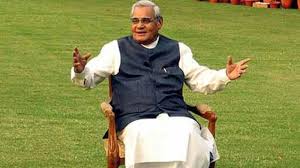
‘हार नहीं मानूंगा, रार नहीं ठानूंगा’, अटल बिहारी वाजपेयी

1: दो अनुभूतियां
-पहली अनुभूति
बेनकाब चेहरे हैं, दाग बड़े गहरे हैं 
टूटता तिलिस्म आज सच से भय खाता हूं
गीत नहीं गाता हूं

लगी कुछ ऐसी नज़र बिखरा शीशे सा शहर
अपनों के मेले में मीत नहीं पाता हूं
गीत नहीं गाता हूं

पीठ मे छुरी सा चांद, राहू गया रेखा फांद
मुक्ति के क्षणों में बार बार बंध जाता हूं
गीत नहीं गाता हूं

-दूसरी अनुभूति
गीत नया गाता हूं
टूटे हुए तारों से फूटे बासंती स्वर
पत्थर की छाती मे उग आया नव अंकुर
झरे सब पीले पात कोयल की कुहुक रात

प्राची मे अरुणिम की रेख देख पता हूं
गीत नया गाता हूं

टूटे हुए सपनों की कौन सुने सिसकी
अन्तर की चीर व्यथा पलकों पर ठिठकी
हार नहीं मानूंगा, रार नहीं ठानूंगा,

काल के कपाल पे लिखता मिटाता हूं
गीत नया गाता हूं
—–

2- कदम मिलाकर चलना होगा
बाधाएं आती हैं आएं
घिरें प्रलय की घोर घटाएं,
पावों के नीचे अंगारे,
सिर पर बरसें यदि ज्वालाएं,
निज हाथों में हंसते-हंसते,
आग लगाकर जलना होगा.
कदम मिलाकर चलना होगा.

हास्य-रूदन में, तूफानों में,
अगर असंख्यक बलिदानों में,
उद्यानों में, वीरानों में,
अपमानों में, सम्मानों में,
उन्नत मस्तक, उभरा सीना,
पीड़ाओं में पलना होगा.
कदम मिलाकर चलना होगा.

उजियारे में, अंधकार में,
कल कहार में, बीच धार में,
घोर घृणा में, पूत प्यार में,
क्षणिक जीत में, दीर्घ हार में,
जीवन के शत-शत आकर्षक,
अरमानों को ढलना होगा.
कदम मिलाकर चलना होगा.

सम्मुख फैला अगर ध्येय पथ,
प्रगति चिरंतन कैसा इति अब,
सुस्मित हर्षित कैसा श्रम श्लथ,
असफल, सफल समान मनोरथ,
सब कुछ देकर कुछ न मांगते,
पावस बनकर ढलना होगा.
कदम मिलाकर चलना होगा.

कुछ कांटों से सज्जित जीवन,
प्रखर प्यार से वंचित यौवन,
नीरवता से मुखरित मधुबन,
परहित अर्पित अपना तन-मन,
जीवन को शत-शत आहुति में,
जलना होगा, गलना होगा.
क़दम मिलाकर चलना होगा.

———————-
3- दूध में दरार पड़ गई
खून क्यों सफेद हो गया?
भेद में अभेद खो गया.
बंट गये शहीद, गीत कट गए,
कलेजे में कटार दड़ गई.
दूध में दरार पड़ गई.

खेतों में बारूदी गंध,
टूट गये नानक के छंद
सतलुज सहम उठी, व्यथित सी बितस्ता है.
वसंत से बहार झड़ गई
दूध में दरार पड़ गई.

अपनी ही छाया से बैर,
गले लगने लगे हैं ग़ैर,
ख़ुदकुशी का रास्ता, तुम्हें वतन का वास्ता.
बात बनाएं, बिगड़ गई.
दूध में दरार पड़ गई.

——-
4. मनाली मत जइयो

मनाली मत जइयो, गोरी 
राजा के राज में. 

जइयो तो जइयो, 
उड़िके मत जइयो, 
अधर में लटकीहौ, 
वायुदूत के जहाज़ में. 

जइयो तो जइयो, 
सन्देसा न पइयो, 
टेलिफोन बिगड़े हैं, 
मिर्धा महाराज में. 

जइयो तो जइयो, 
मशाल ले के जइयो, 
बिजुरी भइ बैरिन 
अंधेरिया रात में. 

जइयो तो जइयो, 
त्रिशूल बांध जइयो, 
मिलेंगे ख़ालिस्तानी, 
राजीव के राज में. 

मनाली तो जइहो. 
सुरग सुख पइहों. 
दुख नीको लागे, मोहे 
राजा के राज में.

———————-
5- मस्तक नहीं झुकने दूंगा 
एक नहीं, दो नहीं, करो बीसों समझौते
पर स्वतंत्र भारत का मस्तक नहीं झुकेगा।
अगणित बलिदानों से अर्जित यह स्वतंत्रता
त्याग, तेज, तप, बल से ‍रक्षित यह स्वतंत्रता
प्राणों से भी प्रियतर यह स्वतंत्रता।  
   
इसे मिटाने की साजिश करने वालों से
कह दो चिनगारी का खेल बुरा होता है
औरों के घर आग लगाने का जो सपना
वह अपने ही घर में सदा खरा होता है।
अपने ही हाथों तुम अपनी कब्र न खोदो
अपने पैरों आप कुल्हाड़ी नहीं चलाओ
ओ नादान पड़ोसी अपनी आंखें खोलो
आजादी अनमोल न इसका मोल लगाओ।
पर तुम क्या जानो आजादी क्या होती है
तुम्हें मुफ्‍त में मिली न कीमत गई चुकाई
अंगरेजों के बल पर दो टुकड़े पाए हैं
मां को खंडित करते तुमको लाज न आई।

अमेरिकी शस्त्रों से अपनी आजादी को
दुनिया में कायम रख लोगे, यह मत समझो
दस-बीस अरब डॉलर लेकर आने वाली
बरबादी से तुम बच लोगे, यह मत समझो।
धमकी, जेहाद के नारों से, हथियारों से
कश्मीर कभी हथिया लोगे, यह मत समझो
हमलों से, अत्याचारों से, संहारों से
भारत का भाल झुका लोगे, यह मत समझो।
जब तक गंगा की धार, सिंधु में ज्वार
अग्नि में जलन, सूर्य में तपन शेष
स्वातंत्र्य समर की वेदी पर अर्पित होंगे
अगणित जीवन, यौवन अशेष।
अमेरिका क्या संसार भले ही हो विरुद्ध
कश्मीर पर भारत का ध्वज नहीं झुकेगा,
एक नहीं, दो नहीं, करो बीसों समझौते
पर स्वतंत्र भारत का मस्तक नहीं झुकेगा।

Revised due date for GST return (GSTR-3B & GSTR-1) filing (N/No. 34/2018, 33/2018 dated 10th August 2018)

CBIC prescribe the due dates for filing FORM GSTR-3B for the months from July, 2018 to March, 2019 vide Notification No. 34/2018–Central Tax dated 10th August, 2018


Notification No. 34/2018 – Central Tax dated 10th August, 2018
On the recommendations of the Council, hereby specifies that the return in FORM GSTR-3B of the said rules for each of the months from July, 2018 to March, 2019 shall be furnished electronically through the common portal, on or before the twentieth day of the month succeeding such month.
Payment of taxes for discharge of tax liability as per FORM GSTR-3B.– Every registered person furnishing the return in FORM GSTR-3B of the said rules shall, subject to the provisions of section 49 of the said Act, discharge his liability towards tax, interest, penalty, fees or any other amount payable under the said Act by debiting the electronic cash ledger or electronic credit ledger, as the case may be, not later than the last date, as specified in the first paragraph, on which he is required to furnish the said return.
Month for which details in FORM GSTR-3B are furnished Time period for furnishing details in FORM GSTR-3B
July , 2018 20th August, 2018
August, 2018 20th  September, 2018
September, 2018 20th October, 2018
October, 2018 20th  November, 2018
November, 2018 20th  December, 2018
December, 2018 20th  January, 2018
January, 2018 20th  February, 2018
February, 2018 20th  March, 2018
March, 2018 20th  April, 2018
Notification No. 33/2018 – Central Tax dated 10th August, 2018
DUE DATE FOR FILING GSTR-1 RETURN:  Having aggregate turnover of up to 1.5 Crore rupees
Quarter for which details in FORM GSTR-1 are furnished Time period for furnishing details in FORM GSTR-1
July – September, 2018 31st October, 2018
October – December, 2018 31st January, 2019
January – March, 2019 30th April, 2019
Notification No. 32/2018 – Central Tax dated 10th August, 2018
DUE DATE FOR FILING GSTR-1 RETURN: Having aggregate turnover more than 1.5 crore rupees.
FORM GSTR-1 of the Central Goods and Services Tax Rules, 2017, by such class of registered persons having aggregate turnover of more than 1.5 Crore rupees in the preceding financial year or the current financial year, for each of the months from July, 2018 to March, 2019 till the eleventh day of the month succeeding such month.
Month for which details in FORM GSTR-1 are furnished Time period for furnishing details in FORM GSTR-1
July , 2018 11th August, 2018
August, 2018 11th September, 2018
September, 2018 11th October, 2018
October, 2018 11th November, 2018
November, 2018 11th December, 2018
December, 2018 11th January, 2018
January, 2018 11th February, 2018
February, 2018 11th March, 2018
March, 2018 11th April, 2018