Bhagavad-gita: Devotional Service (Bhakti Yoga)
Category: News Desk
Updates on Income tax, GST, Company Law, SEBI, FEMA, FCRA
Bhagavad-gita: Nature, The Enjoyer, and Consciousness (Chapter 13)
Manual Income Tax Scrutiny Criteria for financial-year 2018-2019
CBDT has released parameters for manual selection of Income Tax Returns for Complete Income Tax Scrutiny during financial year 2018-19 vide Instruction No. 04/2018 Dated: 20th August 2018.
CBDT has released parameters for manual selection of Income Tax Returns for Complete Income Tax Scrutiny during financial year 2018-19 vide Instruction No. 04/2018 Dated: 20th August 2018.
Instruction No. 04/2018
Government of India
Ministry of Finance
Department of Revenue
Central Hoard of Direct Taxes (ITA-II division)
North Block New Delhi the 20th August 2018
To
All Pr. Chief-Commissioners of Income-tax/Chief-Commissioner of Income-Tax
All Pr. Directors-General of Income tax/Directors-General of Income-tax
Sir/Madam
Subject: Guidelines for manual selection of returns for Complete Scrutiny during the financial-year 2018-2019-regd.
1. The parameters for manual selection of returns for Complete Scrutiny during financial year 2018-19 are as under.-
(i) Cases involving addition In an earlier assessment year(s) on a recurring issue of law or fact-
a. exceeding Rs. 25 lakhs in eight metro charges at Ahmedabad. Hengaluni, Chennai, Delhi. Hyderabad. Kolkata. Mumbai and Pune, while at other charges, quantum of add non should exceed Rs. 10 lakhs;
b. It exceeding Rs. 10 crore In transfer pricing cases
and where such an addition-
1. has become final as no further appeal was/has been filed; or
2. has been confirmed at any stage of appellate process In favour of revenue and assessee has not filed further appeal, or
3. has born confirmed at the 1st stage of appeal in favour of revenue or subsequently and further appeal of assessee is pending
(ii) Cases pertaining to Survey under section 133A of the Income-tax Act. 1961 (‘Act’) excluding those cases where books of accounts. documents etc. were not impounded and returned income (excluding any disclosure made during the Survey) is not less than returned Income of preceding assessment year. However, where assessee has retracted from disclosure made during the Survey, such cases will nut be covered by this exclusion.
(iii) Assessments In search and seizure cases to be made under section(s) 153A. 153C, 158B, 158BC & 158BD read with section 143(3) of the Act and also for return filed for assessment year relevant to previous year in which authorization for search and seizure was executed under section 132 or 132A of the Act.
(iv) Returns filed in response to notice under section 148 of the Act
(v) Cases where registration/approval under various sections of the Act such as 12A, 35(1)(ii)/(iii), 10(23C) etc. have not been granted or have been cancelled/withdrawn by the, Competent Authority, yet the assessee has been found to be claiming tax-exemption/deduction in the return. However, where such orders of withdrawal of registration/approval have been reversed/set-aside In appellate proceedings, those cases will not be selected under this clause
(vi) Cases In respect of which information pointing out specific tax-evasion for the relevant year is given by any Government Department/Authority/Agency/Regulatory Body. However, before selecting a return for scrutiny under this criterion, Assessing Officer shall take prior administrative approval from concerned jurisdictional Pr. CIT/Pr.DIT/CIT/DIT.
2. Through Computer Aided Scrutiny Selection (CASS), cases are being selected in two categories viz. Limited Scrutiny & Complete Scrutiny in a centralized manner under CASS-2018. CASS is a system based method for scrutiny selection which identifies the cases through data-analytic and three-hundred sixty degree data profiling of taxpayers and In a non-discretionary manner. The list of these cases is being/has been separately Intimated by the Principal DCIT (Systems) to the concerned Jurisdictional authorities for further necessary action.
3. This may be brought to the notice of all concerned for necessary compliance.
4. Hindi version to follow.
(Rohit Garg)
Director-ITA.II, CBDT
F.No. 225/282/2010/ITA.II
Bhagavad-gita: The Universal Form, Text 32 to 46, Chapter 11
श्रीभगवानुवाच
कालोऽस्मि लोकक्षयकृत्प्रवृद्धोलोकान्समाहर्तुमिह प्रवृत्तः ।
ऋतेऽपि त्वां न भविष्यन्ति सर्वे येऽवस्थिताः प्रत्यनीकेषु योधाः ॥
śrī bhagavānuvāca
kālō.smi lōkakṣayakṛtpravṛddhō
lōkānsamāhartumiha pravṛttaḥ.
ṛtē.pi tvāṅ na bhaviṣyanti sarvē
yē.vasthitāḥ pratyanīkēṣu yōdhāḥ৷৷11.32৷৷
भावार्थ : श्री भगवान बोले- मैं लोकों का नाश करने वाला बढ़ा हुआ महाकाल हूँ। इस समय इन लोकों को नष्ट करने के लिए प्रवृत्त हुआ हूँ। इसलिए जो प्रतिपक्षियों की सेना में स्थित योद्धा लोग हैं, वे सब तेरे बिना भी नहीं रहेंगे अर्थात तेरे युद्ध न करने पर भी इन सबका नाश हो जाएगा॥32॥
तस्मात्त्वमुक्तिष्ठ यशो लभस्व जित्वा शत्रून्भुङ्क्ष्व राज्यं समृद्धम् ।
मयैवैते निहताः पूर्वमेव निमित्तमात्रं भव सव्यसाचिन् ॥
tasmāttvamuttiṣṭha yaśō labhasva
jitvā śatrūn bhuṅkṣva rājyaṅ samṛddham.
mayaivaitē nihatāḥ pūrvamēva
nimittamātraṅ bhava savyasācin৷৷11.33৷৷
भावार्थ : अतएव तू उठ! यश प्राप्त कर और शत्रुओं को जीतकर धन-धान्य से सम्पन्न राज्य को भोग। ये सब शूरवीर पहले ही से मेरे ही द्वारा मारे हुए हैं। हे सव्यसाचिन! (बाएँ हाथ से भी बाण चलाने का अभ्यास होने से अर्जुन का नाम ‘सव्यसाची’ हुआ था) तू तो केवल निमित्तमात्र बन जा॥33॥
द्रोणं च भीष्मं च जयद्रथं च कर्णं तथान्यानपि योधवीरान् ।
मया हतांस्त्वं जहि मा व्यथिष्ठायुध्यस्व जेतासि रणे सपत्नान् ॥
drōṇaṅ ca bhīṣmaṅ ca jayadrathaṅ ca
karṇaṅ tathā.nyānapi yōdhavīrān.
mayā hatāṅstvaṅ jahi mā vyathiṣṭhā
yudhyasva jētāsi raṇē sapatnān৷৷11.34৷৷
भावार्थ : द्रोणाचार्य और भीष्म पितामह तथा जयद्रथ और कर्ण तथा और भी बहुत से मेरे द्वारा मारे हुए शूरवीर योद्धाओं को तू मार। भय मत कर। निःसंदेह तू युद्ध में वैरियों को जीतेगा। इसलिए युद्ध कर॥34॥
भयभीत हुए अर्जुन द्वारा भगवान की स्तुति और चतुर्भुज रूप का दर्शन कराने के लिए प्रार्थना
संजय उवाच
एतच्छ्रुत्वा वचनं केशवस्य कृतांजलिर्वेपमानः किरीटी ।
नमस्कृत्वा भूय एवाह कृष्णंसगद्गदं भीतभीतः प्रणम्य ॥
sañjaya uvāca
ētacchrutvā vacanaṅ kēśavasya
kṛtāñjalirvēpamānaḥ kirīṭī.
namaskṛtvā bhūya ēvāha kṛṣṇaṅ
sagadgadaṅ bhītabhītaḥ praṇamya৷৷11.35৷৷
भावार्थ : संजय बोले- केशव भगवान के इस वचन को सुनकर मुकुटधारी अर्जुन हाथ जोड़कर काँपते हुए नमस्कार करके, फिर भी अत्यन्त भयभीत होकर प्रणाम करके भगवान श्रीकृष्ण के प्रति गद्गद् वाणी से बोले॥35॥
अर्जुन उवाच
स्थाने हृषीकेश तव प्रकीर्त्या जगत्प्रहृष्यत्यनुरज्यते च ।
रक्षांसि भीतानि दिशो द्रवन्ति सर्वे नमस्यन्ति च सिद्धसङ्घा: ॥
arjuna uvāca
sthānē hṛṣīkēśa tava prakīrtyā
jagat prahṛṣyatyanurajyatē ca.
rakṣāṅsi bhītāni diśō dravanti
sarvē namasyanti ca siddhasaṅghāḥ৷৷11.36৷৷
भावार्थ : अर्जुन बोले- हे अन्तर्यामिन्! यह योग्य ही है कि आपके नाम, गुण और प्रभाव के कीर्तन से जगत अति हर्षित हो रहा है और अनुराग को भी प्राप्त हो रहा है तथा भयभीत राक्षस लोग दिशाओं में भाग रहे हैं और सब सिद्धगणों के समुदाय नमस्कार कर रहे हैं॥36॥
कस्माच्च ते न नमेरन्महात्मन् गरीयसे ब्रह्मणोऽप्यादिकर्त्रे।
अनन्त देवेश जगन्निवास त्वमक्षरं सदसत्तत्परं यत् ॥
kasmācca tē na namēranmahātman
garīyasē brahmaṇō.pyādikartrē.
ananta dēvēśa jagannivāsa
tvamakṣaraṅ sadasattatparaṅ yat৷৷11.37৷৷
भावार्थ : हे महात्मन्! ब्रह्मा के भी आदिकर्ता और सबसे बड़े आपके लिए वे कैसे नमस्कार न करें क्योंकि हे अनन्त! हे देवेश! हे जगन्निवास! जो सत्, असत् और उनसे परे अक्षर अर्थात सच्चिदानन्दघन ब्रह्म है, वह आप ही हैं॥37॥
त्वमादिदेवः पुरुषः पुराणस्त्वमस्य विश्वस्य परं निधानम् ।
वेत्तासि वेद्यं च परं च धाम त्वया ततं विश्वमनन्तरूप । ।
tvamādidēvaḥ puruṣaḥ purāṇa-
stvamasya viśvasya paraṅ nidhānam.
vēttāsi vēdyaṅ ca paraṅ ca dhāma
tvayā tataṅ viśvamanantarūpa৷৷11.38৷৷
भावार्थ : आप आदिदेव और सनातन पुरुष हैं, आप इन जगत के परम आश्रय और जानने वाले तथा जानने योग्य और परम धाम हैं। हे अनन्तरूप! आपसे यह सब जगत व्याप्त अर्थात परिपूर्ण हैं॥38॥
वायुर्यमोऽग्निर्वरुणः शशाङ्क: प्रजापतिस्त्वं प्रपितामहश्च।
नमो नमस्तेऽस्तु सहस्रकृत्वः पुनश्च भूयोऽपि नमो नमस्ते ॥
vāyuryamō.gnirvaruṇaḥ śaśāṅkaḥ
prajāpatistvaṅ prapitāmahaśca.
namō namastē.stu sahasrakṛtvaḥ
punaśca bhūyō.pi namō namastē৷৷11.39৷৷
भावार्थ : आप वायु, यमराज, अग्नि, वरुण, चन्द्रमा, प्रजा के स्वामी ब्रह्मा और ब्रह्मा के भी पिता हैं। आपके लिए हजारों बार नमस्कार! नमस्कार हो!! आपके लिए फिर भी बार-बार नमस्कार! नमस्कार!!॥39॥
नमः पुरस्तादथ पृष्ठतस्ते नमोऽस्तु ते सर्वत एव सर्व।
अनन्तवीर्यामितविक्रमस्त्वंसर्वं समाप्नोषि ततोऽसि सर्वः ॥
namaḥ purastādatha pṛṣṭhatastē
namō.stu tē sarvata ēva sarva.
anantavīryāmitavikramastvaṅ
sarvaṅ samāpnōṣi tatō.si sarvaḥ৷৷11.40৷৷
भावार्थ : हे अनन्त सामर्थ्यवाले! आपके लिए आगे से और पीछे से भी नमस्कार! हे सर्वात्मन्! आपके लिए सब ओर से ही नमस्कार हो, क्योंकि अनन्त पराक्रमशाली आप समस्त संसार को व्याप्त किए हुए हैं, इससे आप ही सर्वरूप हैं॥40॥
सखेति मत्वा प्रसभं यदुक्तं हे कृष्ण हे यादव हे सखेति।
अजानता महिमानं तवेदंमया प्रमादात्प्रणयेन वापि ॥
यच्चावहासार्थमसत्कृतोऽसि विहारशय्यासनभोजनेषु ।
एकोऽथवाप्यच्युत तत्समक्षंतत्क्षामये त्वामहमप्रमेयम् ॥
sakhēti matvā prasabhaṅ yaduktaṅ
hē kṛṣṇa hē yādava hē sakhēti.
ajānatā mahimānaṅ tavēdaṅ
mayā pramādātpraṇayēna vāpi৷৷11.41৷৷
yaccāvahāsārthamasatkṛtō.si
vihāraśayyāsanabhōjanēṣu.
ēkō.thavāpyacyuta tatsamakṣaṅ
tatkṣāmayē tvāmahamapramēyam৷৷11.42৷৷
भावार्थ : आपके इस प्रभाव को न जानते हुए, आप मेरे सखा हैं ऐसा मानकर प्रेम से अथवा प्रमाद से भी मैंने ‘हे कृष्ण!’, ‘हे यादव !’ ‘हे सखे!’ इस प्रकार जो कुछ बिना सोचे-समझे हठात् कहा है और हे अच्युत! आप जो मेरे द्वारा विनोद के लिए विहार, शय्या, आसन और भोजनादि में अकेले अथवा उन सखाओं के सामने भी अपमानित किए गए हैं- वह सब अपराध अप्रमेयस्वरूप अर्थात अचिन्त्य प्रभाव वाले आपसे मैं क्षमा करवाता हूँ॥41-42॥
पितासि लोकस्य चराचरस्य त्वमस्य पूज्यश्च गुरुर्गरीयान्।
न त्वत्समोऽस्त्यभ्यधिकः कुतोऽन्योलोकत्रयेऽप्यप्रतिमप्रभाव ॥
pitāsi lōkasya carācarasya
tvamasya pūjyaśca gururgarīyān.
na tvatsamō.styabhyadhikaḥ kutō.nyō
lōkatrayē.pyapratimaprabhāva৷৷11.43৷৷
भावार्थ : आप इस चराचर जगत के पिता और सबसे बड़े गुरु एवं अति पूजनीय हैं। हे अनुपम प्रभाववाले! तीनों लोकों में आपके समान भी दूसरा कोई नहीं हैं, फिर अधिक तो कैसे हो सकता है॥43॥
तस्मात्प्रणम्य प्रणिधाय कायंप्रसादये त्वामहमीशमीड्यम्।
पितेव पुत्रस्य सखेव सख्युः प्रियः प्रियायार्हसि देव सोढुम्॥
tasmātpraṇamya praṇidhāya kāyaṅ
prasādayē tvāmahamīśamīḍyam.
pitēva putrasya sakhēva sakhyuḥ
priyaḥ priyāyārhasi dēva sōḍhum৷৷11.44৷৷
भावार्थ : अतएव हे प्रभो! मैं शरीर को भलीभाँति चरणों में निवेदित कर, प्रणाम करके, स्तुति करने योग्य आप ईश्वर को प्रसन्न होने के लिए प्रार्थना करता हूँ। हे देव! पिता जैसे पुत्र के, सखा जैसे सखा के और पति जैसे प्रियतमा पत्नी के अपराध सहन करते हैं- वैसे ही आप भी मेरे अपराध को सहन करने योग्य हैं। ॥44॥
अदृष्टपूर्वं हृषितोऽस्मि दृष्ट्वा भयेन च प्रव्यथितं मनो मे।
तदेव मे दर्शय देवरूपंप्रसीद देवेश जगन्निवास ॥
adṛṣṭapūrvaṅ hṛṣitō.smi dṛṣṭvā
bhayēna ca pravyathitaṅ manō mē.
tadēva mē darśaya dēva rūpaṅ
prasīda dēvēśa jagannivāsa৷৷11.45৷৷
भावार्थ : मैं पहले न देखे हुए आपके इस आश्चर्यमय रूप को देखकर हर्षित हो रहा हूँ और मेरा मन भय से अति व्याकुल भी हो रहा है, इसलिए आप उस अपने चतुर्भुज विष्णु रूप को ही मुझे दिखलाइए। हे देवेश! हे जगन्निवास! प्रसन्न होइए॥45॥
किरीटिनं गदिनं चक्रहस्तमिच्छामि त्वां द्रष्टुमहं तथैव।
तेनैव रूपेण चतुर्भुजेनसहस्रबाहो भव विश्वमूर्ते॥
kirīṭinaṅ gadinaṅ cakrahasta-
micchāmi tvāṅ draṣṭumahaṅ tathaiva.
tēnaiva rūpēṇa caturbhujēna
sahasrabāhō bhava viśvamūrtē৷৷11.46৷৷
भावार्थ : मैं वैसे ही आपको मुकुट धारण किए हुए तथा गदा और चक्र हाथ में लिए हुए देखना चाहता हूँ। इसलिए हे विश्वस्वरूप! हे सहस्रबाहो! आप उसी चतुर्भुज रूप से प्रकट होइए॥46॥
No LTCG tax on POA holder just because real owner didn’t file ITR
No LTCG tax on POA holder just because real owner didn’t file ITR
IT : Where Assessing Officer made addition to income of assessee towards long term capital gain on sale of properties by virtue of power of attorny executed by NRIs, who were real owners of properties sold, properties did not belong to assessee and, therefore, capital gain arising from those properties could not be taxed in hands of assessee solely on ground that persons being real owners had not filed their income tax return
■■■
[2018] 96 taxmann.com 291 (Ahmedabad – Trib.)
IN THE ITAT AHMEDABAD BENCH ‘SMC’
Samir Trikambhai Patel
v.
Income Tax Officer
WASEEM AHMED, ACCOUNTANT MEMBER
AND MS. MADHUMITA ROY, JUDICIAL MEMBER
AND MS. MADHUMITA ROY, JUDICIAL MEMBER
IT APPEAL NO. 1440 (AHD.) OF 2016
[ASSESSMENT YEAR 2011-12]
[ASSESSMENT YEAR 2011-12]
AUGUST 8, 2018
S.N. Divatia and Mehul Talera for the Appellant. Keyur Patel, Sr. DR for the Respondent.
ORDER
Ms. Madhumita Roy, Judicial Member – The instant appeal has been filed by the assessee before us against the order dated 30.02.2016 passed by the Commissioner of Income Tax(Appeals)-3, Ahmedabad [Ld.CIT(A) in short] for Assessment Year (AY) 2011-12 arising out of the order dated 20.03.2014 passed by the ITO, Ward-6(5), Ahmedabad.
2. The main grievance of the assessee is that against the order passed u/s.250 of the Income Tax Act, 1961 (hereinafter referred to as “the Act”) by the Ld. CIT(A) in upholding the addition of Rs.38,65,755/- towards Long Term Capital Gain (LTCG) on sale of property without taking into consideration the submissions made by the assessee and the evidence adduced in support of the contentions that the assessee acted as a constituted Attorney by virtue of two Power of Attorney executed by the NRIs in the sale transactions in question. Further that, the decision of the Ld. CIT(A) making the assessee liable to pay tax u/s.5 of the Act being the representative of non-residents on the LTCG arising out of sale of the immovable properties by the NRIs, the real owners of the properties has also been challenged before us.
3. The facts leading to the issues is that the assessee is an individual having income from share from partnership-firms, capital gain and income from other sources filed his return of income for the AY 2011-12 on 28.03.2012 declaring the return of income Rs.11,11,270/-. Upon scrutiny u/s.143(3) of the Act addition of Rs.38,65,757/- towards LTCGs was made and the total income was assessed at Rs.49,77,020/-. During the assessment proceedings upon verification of details furnished by the assessee in respect of AIR information, it appears that the assessee has sold immovable property for sale consideration of Rs.41 lakhs and Rs.34 lakhs out of which Long Term Capital Gain was of Rs.9,24,371/- and Rs.29,41,386/- respectively accrued. The assessee submitted before the Ld. AO that he has only signed those documents by virtue of Power of Attorney executed by Shri Arvindhbhai Ambalal Patel and Shri Bhikhabhai Dahyabhai Patel, the original vendors of such sale transactions. On 07.02.2014, a show-cause notice was issued directing the assessee to explain as to why capital gain of Rs.9,24,371/- and Rs.29,41,386/-would not be taxed in the hands of the assessee. In response whereof, the assessee by and under the written submission dated 27.02.2014 contended before the Ld. AO, which, however, was not accepted on the premise that the residential address of the vendors was not furnished by the assessee neither the vendors filed their return of income. The AO considered the assessee as goods as the owner of the property and added the amount of Rs.38,65,657/- to the income of the assessee towards capital gain.
4. In appeal, the Ld. CIT(A) confirmed the order passed by the Ld. AO and hence the instant appeal.
5. The Advocate appearing for the assessee submitted before us that the assessee has executed the sale deed by virtue of Power of Attorney executed by the NRIs to act on their behalf. Neither the consideration amount of those transactions were credited in the account of the assessee. He further contended before us that the AO has not made any enquiry on the genuineness of the whereabouts of the NRIs in the address as mentioned in the sale deed as well as the POA. In the absence of any enquiry done by the authorities below as mentioned hereinabove to come to the finding that the sale consideration has ultimately received by the assessee the assessee cannot be made liable to pay tax on LTCG out of the transaction in question. Since the authority has failed to levy tax on the capital gain accrued to the vendors additions made on the assessee is arbitrary and erroneous and thus liable to be set aside.
5.1 On the other hand, the Ld. Representative of the revenue supported the orders passed by the authorities below.
6. We have heard the Representatives of the respective parties. We have perused the relevant materials available on record. We find from the records that the assessee contended before the Ld. AO that the assessee executed the deed of sale dated 12.10.2010 as a constituted Attorney of Shri Arvindbhai Ambalal Patel as a vendor, by virtue of a Power of Attorney dated 03.06.2010 registered in the Office of the Sub-Registrar, Ahmedabad-2, Vadaj. The consideration money of such sale to the tune of Rs.41 lakhs was credited in the bank account of the said Shri Arvindhbhai Ambalal Patel who is a Non Resident Indian. The residential address of the actual vendor being Shri Arvindbhai Ambalal Patel is also mentioned in the second page of the Sale Deed as well as the first page of the General Power of Attorney as mentioned above conferring power upon the assessee to execute the said sale deed as follows:
(3) My Attorney Mr. Samir Trikambhai Patel can carry out all activities for protecting my ownership rights in respect of the said property and I have appointed him as attorney independently. All activities carried out by him will be admitted by and binding to me and all activities carried out by him will be treated as carried out by me personally. This General Power of Attorney will be limited only for the land of Sub Plot Number 10 situated in the scheme or plots on non agricultural land of part number 2 of Revenue Survey Number 76 of the limit of village Sola and I give assurance that I shall never revoke or cancel this power of attorney.”
7. Similarly, the assessee has also executed the sale deed dated 23.11.2011 by virtue of a Power of Attorney dated 02.06.2010 executed by the original vendor Shri Bhikhabhai Dahyabhai Patel in favour of assessee for execution of sale deed. The power of attorney was executed by said Shri Bhikhabhai Dahyabhai Patel on 02.06.2010. The address of such Shri Bhikhabhai Dahyabhai Patel was also available at page-2 of the Sale Deed and page-1 of the Power of Attorney (PAO). All the documents were executed before the Sub-Registrar, Ahmedabad-2, Vadaj. The sale consideration of Rs.34,00,000/- has been credited in the bank account of Shri Bhikhabhai Dahyabhai Patel, the original vendor of the transaction.
7.1 It is also evident from the records available before us that the copy of the purchase agreement, Power of Attorney and the Sale Deeds of those immovable properties were duly produced by the assessee before the Ld. AO during the assessment proceedings. It appears from those documents that nowhere it is mentioned the assessee is the real owner of the property or the consideration money has been received by the assessee. It is clearly evident that those properties are not belonged to the assessee and therefore capital gain arising from those properties cannot be taxed in the hands of the assessee solely on the ground that the person being the real owners have not filed their income-tax returns. The earlier purchase agreement of Plot No.10 dated 18.04.2007 of a consideration of Rs.4,07,000/- speaks of the name of Shri Arvindbhai Ambalal Patel at page-2 of the said agreement as the purchaser of the said property. Similarly, at page No.2 of the purchase agreement of Plot No.6 dated 18.04.2007 of a consideration of Rs.3,35,400/- speaks of Shri Bhikhabhai Dahyabhai Patel as purchaser of the said property. Therefore, it is evident from those two purchase deeds that it was not the assessee but Shri Arvindbhai Ambalal Patel and Shri Bhikhabhai Dahyabhai Patel were the original owners of those two properties who subsequently sold the same out of which the LTCG have been accrued to them. The assessee in those two transactions in question have acted only as a constituted attorney by virtue of the POAs executed in his favour by the original vendors. Since both the vendors are NRIs in absence of whom the assessee acted as a representative on their behalf and executed the transaction by way of deed of sale. It also appears from the records that upon verification of the bank statement of various banks of the assessee as submitted by the assessee before the AO, nothing revealed that the assessee has received the said consideration of Rs.41,00,000/- and Rs.34,00,000/- as paid by the purchasers in respect to those two transactions. We find that though the assessee has made his submissions before the AO stating the entire facts relating to the transaction of sale faithfully, the same was not considered by the AO in its proper perspective.
7.2 In the penultimate paragraph, the AO concluded that the assessee failed to furnish the residential address of the vendors and the vendors have not filed returns of income, in the absence of which he considered the assessee as good as the owner of the properties in question and made him liable to be taxed on the capital gain on sale of these properties. Accordingly, an addition of Rs.38,65,657/- was also made in the income of the assessee. We find in the appellate proceedings, the Ld. CIT(A) has not doubted the ownership of those two NRs in respect of the respective properties which were purchased by their sources of finance more than three years ago. Neither he has denied that the sale consideration amount has been credited in the bank account of the vendors. While coming to a conclusion, the Ld. CIT(A) observed that those two NRIs had purchased properties out of their own funds and transferred the same by way of sale for making profit in India evaded tax through constituted Attorney through a colorable device which is not approved under the Income Tax Act, 1961. According to him, income arisen in India from certain real estate transaction in India is liable to be taxed u/s.5 of the Income Tax Act, 1961. He further observed that the NRIs have not filed return of income; no PAN being on record. The AR, according to the Ld. CIT(A) was unable to supply sufficient information about those two NRIs to take further action against them. In the impugned order, the Ld. CIT(A) particularly mentioned that the assessee has failed to discharge its onus so as to enable the AO to take recourse to the provisions of section 5(2)(a) of the Act. There is nothing on record that the income arisen in India has been taxed in United States in terms of the other provisions of DTAA. He, thus, dismissed the appeal preferred by the assessee and confirmed the addition made by the AO.
8. With utter surprise we note that in spite of having the information about the residential address of those two NRIs in India, the AO had not taken any initiative to make an enquiry about the genuineness of the whereabouts of the said vendors with intend to impose tax on capital gain upon them. Instead of doing so, he has made the assessee liable for payment of tax by making addition of Rs.38,65,755/- without any documents since he failed to make addition on the income of the vendors knowing fully well that the payments made by the purchasers have not been credited in the accounts of the assessee but in the NRIs. Neither any investigation has been conducted by the AO of the amount credited in the accounts of those two NRIs made by the purchasers. The genuineness of the receipt of the consideration has neither been questioned by the AO not been investigated in the absence of which the addition is liable to be set aside. During the appellate proceeding, the Ld. CIT(A) was provided with the copies of Passport Card No.498676570 issued by the United States, Department of State (USA) of Shri Arvindkumar Ambalal Patel and Passport Card No.C00736040 issued by United States, Department of State (USA) of Shri Bhikhabhai Dahyabhai Patel as identity proof. No step, whatsoever, taken by the first appellate authority so as to make an investigation into the matter by the CIT(A) on the basis of such passport Cards or the residential address mentioned both in the sale deed and the Power of Attorney which were already available with the AO, a minimum remand report was also not called for while discharging the function as an appellate authority before confirming the addition made by the AO. On the other hand, he has made the assessee responsible to discharge its onus so as to justify the action of the AO to take recourse to the provisions of section 5(2)(a) or (b) of the Act. We, therefore fail to appreciate the stand taken by the first appellate authority who has acted in such lackadaisical manner and without any cogent document against the assessee while confirming the addition made by the AO.
8.1 The Representative of the Revenue prayed before us to send the matter to the AO for further verification of the consideration of the sale in question. We are declined to entertain such a prayer made on behalf of the revenue before us. Allowing such prayer at this stage would be nothing but a further burden and/or harassment and/or hardship on the assessee and of course it will be a seal of premium on the inaction/non-action and also arbitrary action on the part of the authorities below. We therefore taking into consideration of the entire aspects of the matter as discussed above find it fit to delete the orders of the addition of the authorities below.
9. In the result, appeal of the assessee is allowed.
Revised Tax Audit Report: No need to report clause 30C (GAAR) & 44 (GST) till 31.03.2019
Revised Tax Audit Report: No need to report clause 30C (GAAR) & 44 (GST) till 31.03.2019 (Circular No. 6/2018 dated 17th August 2018)
It has been decided by the CBDT that reporting under the proposed clause 30C and proposed clause 44 of the Tax Audit Report shall be kept in abeyance till 31st March, 2019. Therefore, for Tax Audit Reports to be furnished on or after 20th August, 2018 but before 1st April, 2019, the tax auditors will not be required to furnish details called for under the said clause 30C and clause 44 of the Tax Audit Report.
Circular No. 6/2018
F.No. 370142/9/2018-TPL
Government of India
Ministry of Finance
Department of Revenue
Central Board of Direct Taxes
TPL Division
Ministry of Finance
Department of Revenue
Central Board of Direct Taxes
TPL Division
****
New Delhi, Dated the 17th of August, 2018
Order under section 119 of the Income-tax Act, 1961
Section 44A B of the Income-tax Act, 1961 (`the Act’) read with rule 6G of the Income-tax Rules, 1962 (`the Rules’) requires prescribed persons to furnish the Tax Audit Report along with the prescribed particulars in Form No. 3CD. The existing Form No. 3CD was amended vide notification no. GSR 666(E) dated 20th July, 2018 with effect from 20th August, 2018.
Representations have been received by the Board that the implementation of reporting requirements under the proposed clause 30C (pertaining to General Anti-Avoidance Rules (GAAR)) and proposed clause 44 (pertaining to Goods and Services Tax (GST) compliance) of the Form No. 3CD may be deferred.
The matter has been examined and it has been decided by the Board that reporting under the proposed clause 30C and proposed clause 44 of the Tax Audit Report shall be kept in abeyance till 31st March, 2019. Therefore, for Tax Audit Reports to be furnished on or after 20th August, 2018 but before 1st April, 2019, the tax auditors will not be required to furnish details called for under the said clause 30C and clause 44 of the Tax Audit Report.
(Sanyam Suresh Joshi)
DCIT (OSD) (TPL)- I I I
‘हार नहीं मानूंगा, रार नहीं ठानूंगा’, अटल बिहारी वाजपेयी
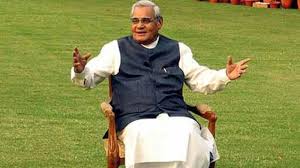
1: दो अनुभूतियां
-पहली अनुभूति
बेनकाब चेहरे हैं, दाग बड़े गहरे हैं
टूटता तिलिस्म आज सच से भय खाता हूं
गीत नहीं गाता हूं
लगी कुछ ऐसी नज़र बिखरा शीशे सा शहर
अपनों के मेले में मीत नहीं पाता हूं
गीत नहीं गाता हूं
पीठ मे छुरी सा चांद, राहू गया रेखा फांद
मुक्ति के क्षणों में बार बार बंध जाता हूं
गीत नहीं गाता हूं
-दूसरी अनुभूति
गीत नया गाता हूं
टूटे हुए तारों से फूटे बासंती स्वर
पत्थर की छाती मे उग आया नव अंकुर
झरे सब पीले पात कोयल की कुहुक रात
प्राची मे अरुणिम की रेख देख पता हूं
गीत नया गाता हूं
टूटे हुए सपनों की कौन सुने सिसकी
अन्तर की चीर व्यथा पलकों पर ठिठकी
हार नहीं मानूंगा, रार नहीं ठानूंगा,
काल के कपाल पे लिखता मिटाता हूं
गीत नया गाता हूं
—–
2- कदम मिलाकर चलना होगा
बाधाएं आती हैं आएं
घिरें प्रलय की घोर घटाएं,
पावों के नीचे अंगारे,
सिर पर बरसें यदि ज्वालाएं,
निज हाथों में हंसते-हंसते,
आग लगाकर जलना होगा.
कदम मिलाकर चलना होगा.
हास्य-रूदन में, तूफानों में,
अगर असंख्यक बलिदानों में,
उद्यानों में, वीरानों में,
अपमानों में, सम्मानों में,
उन्नत मस्तक, उभरा सीना,
पीड़ाओं में पलना होगा.
कदम मिलाकर चलना होगा.
उजियारे में, अंधकार में,
कल कहार में, बीच धार में,
घोर घृणा में, पूत प्यार में,
क्षणिक जीत में, दीर्घ हार में,
जीवन के शत-शत आकर्षक,
अरमानों को ढलना होगा.
कदम मिलाकर चलना होगा.
सम्मुख फैला अगर ध्येय पथ,
प्रगति चिरंतन कैसा इति अब,
सुस्मित हर्षित कैसा श्रम श्लथ,
असफल, सफल समान मनोरथ,
सब कुछ देकर कुछ न मांगते,
पावस बनकर ढलना होगा.
कदम मिलाकर चलना होगा.
कुछ कांटों से सज्जित जीवन,
प्रखर प्यार से वंचित यौवन,
नीरवता से मुखरित मधुबन,
परहित अर्पित अपना तन-मन,
जीवन को शत-शत आहुति में,
जलना होगा, गलना होगा.
क़दम मिलाकर चलना होगा.
———————-
3- दूध में दरार पड़ गई
खून क्यों सफेद हो गया?
भेद में अभेद खो गया.
बंट गये शहीद, गीत कट गए,
कलेजे में कटार दड़ गई.
दूध में दरार पड़ गई.
खेतों में बारूदी गंध,
टूट गये नानक के छंद
सतलुज सहम उठी, व्यथित सी बितस्ता है.
वसंत से बहार झड़ गई
दूध में दरार पड़ गई.
अपनी ही छाया से बैर,
गले लगने लगे हैं ग़ैर,
ख़ुदकुशी का रास्ता, तुम्हें वतन का वास्ता.
बात बनाएं, बिगड़ गई.
दूध में दरार पड़ गई.
——-
4. मनाली मत जइयो
मनाली मत जइयो, गोरी
राजा के राज में.
जइयो तो जइयो,
उड़िके मत जइयो,
अधर में लटकीहौ,
वायुदूत के जहाज़ में.
जइयो तो जइयो,
सन्देसा न पइयो,
टेलिफोन बिगड़े हैं,
मिर्धा महाराज में.
जइयो तो जइयो,
मशाल ले के जइयो,
बिजुरी भइ बैरिन
अंधेरिया रात में.
जइयो तो जइयो,
त्रिशूल बांध जइयो,
मिलेंगे ख़ालिस्तानी,
राजीव के राज में.
मनाली तो जइहो.
सुरग सुख पइहों.
दुख नीको लागे, मोहे
राजा के राज में.
———————-
5- मस्तक नहीं झुकने दूंगा
एक नहीं, दो नहीं, करो बीसों समझौते
पर स्वतंत्र भारत का मस्तक नहीं झुकेगा।
अगणित बलिदानों से अर्जित यह स्वतंत्रता
त्याग, तेज, तप, बल से रक्षित यह स्वतंत्रता
प्राणों से भी प्रियतर यह स्वतंत्रता।
इसे मिटाने की साजिश करने वालों से
कह दो चिनगारी का खेल बुरा होता है
औरों के घर आग लगाने का जो सपना
वह अपने ही घर में सदा खरा होता है।
अपने ही हाथों तुम अपनी कब्र न खोदो
अपने पैरों आप कुल्हाड़ी नहीं चलाओ
ओ नादान पड़ोसी अपनी आंखें खोलो
आजादी अनमोल न इसका मोल लगाओ।
पर तुम क्या जानो आजादी क्या होती है
तुम्हें मुफ्त में मिली न कीमत गई चुकाई
अंगरेजों के बल पर दो टुकड़े पाए हैं
मां को खंडित करते तुमको लाज न आई।
अमेरिकी शस्त्रों से अपनी आजादी को
दुनिया में कायम रख लोगे, यह मत समझो
दस-बीस अरब डॉलर लेकर आने वाली
बरबादी से तुम बच लोगे, यह मत समझो।
धमकी, जेहाद के नारों से, हथियारों से
कश्मीर कभी हथिया लोगे, यह मत समझो
हमलों से, अत्याचारों से, संहारों से
भारत का भाल झुका लोगे, यह मत समझो।
जब तक गंगा की धार, सिंधु में ज्वार
अग्नि में जलन, सूर्य में तपन शेष
स्वातंत्र्य समर की वेदी पर अर्पित होंगे
अगणित जीवन, यौवन अशेष।
अमेरिका क्या संसार भले ही हो विरुद्ध
कश्मीर पर भारत का ध्वज नहीं झुकेगा,
एक नहीं, दो नहीं, करो बीसों समझौते
पर स्वतंत्र भारत का मस्तक नहीं झुकेगा।
Revised due date for GST return (GSTR-3B & GSTR-1) filing (N/No. 34/2018, 33/2018 dated 10th August 2018)
CBIC prescribe the due dates for filing FORM GSTR-3B for the months from July, 2018 to March, 2019 vide Notification No. 34/2018–Central Tax dated 10th August, 2018
Notification No. 34/2018 – Central Tax dated 10th August, 2018
On the recommendations of the Council, hereby specifies that the return in FORM GSTR-3B of the said rules for each of the months from July, 2018 to March, 2019 shall be furnished electronically through the common portal, on or before the twentieth day of the month succeeding such month.
Payment of taxes for discharge of tax liability as per FORM GSTR-3B.– Every registered person furnishing the return in FORM GSTR-3B of the said rules shall, subject to the provisions of section 49 of the said Act, discharge his liability towards tax, interest, penalty, fees or any other amount payable under the said Act by debiting the electronic cash ledger or electronic credit ledger, as the case may be, not later than the last date, as specified in the first paragraph, on which he is required to furnish the said return.
| Month for which details in FORM GSTR-3B are furnished | Time period for furnishing details in FORM GSTR-3B |
| July , 2018 | 20th August, 2018 |
| August, 2018 | 20th September, 2018 |
| September, 2018 | 20th October, 2018 |
| October, 2018 | 20th November, 2018 |
| November, 2018 | 20th December, 2018 |
| December, 2018 | 20th January, 2018 |
| January, 2018 | 20th February, 2018 |
| February, 2018 | 20th March, 2018 |
| March, 2018 | 20th April, 2018 |
Notification No. 33/2018 – Central Tax dated 10th August, 2018
DUE DATE FOR FILING GSTR-1 RETURN: Having aggregate turnover of up to 1.5 Crore rupees
| Quarter for which details in FORM GSTR-1 are furnished | Time period for furnishing details in FORM GSTR-1 |
| July – September, 2018 | 31st October, 2018 |
| October – December, 2018 | 31st January, 2019 |
| January – March, 2019 | 30th April, 2019 |
Notification No. 32/2018 – Central Tax dated 10th August, 2018
DUE DATE FOR FILING GSTR-1 RETURN: Having aggregate turnover more than 1.5 crore rupees.
FORM GSTR-1 of the Central Goods and Services Tax Rules, 2017, by such class of registered persons having aggregate turnover of more than 1.5 Crore rupees in the preceding financial year or the current financial year, for each of the months from July, 2018 to March, 2019 till the eleventh day of the month succeeding such month.
| Month for which details in FORM GSTR-1 are furnished | Time period for furnishing details in FORM GSTR-1 |
| July , 2018 | 11th August, 2018 |
| August, 2018 | 11th September, 2018 |
| September, 2018 | 11th October, 2018 |
| October, 2018 | 11th November, 2018 |
| November, 2018 | 11th December, 2018 |
| December, 2018 | 11th January, 2018 |
| January, 2018 | 11th February, 2018 |
| February, 2018 | 11th March, 2018 |
| March, 2018 | 11th April, 2018 |
Note on Simplified GST Returns and Return Formats
Note on Simplified GST Returns and Return Formats
GST Council in its 27th meeting held on 4th May, 2018 had approved the basic principles of GST return design. Now in its 28th meeting held on 21st July, 2018, GST Council approved the key features and new format of the GST returns. This brief note lists the salient features of the new return format and business process for the information of trade and industry and other stakeholders
Part A: Key features of the Monthly Return
1. Monthly Return and due-date:
All taxpayers except small taxpayers, composition dealer, Input Service Distributor (ISD), Non-resident registered person, persons liable to deduct tax or collect tax at source u/s 51/52 of CGST Act, 2017 shall file one monthly return.
Dates of return filing will be on staggered manner based on the reported turnover in last year i.e. 2017-18, annualized for the full year. A newly registered taxpayer shall be classified on the basis of self-declaration of the estimated turnover
The due date for filing of monthly return for the large taxpayer shall be 20th of the next month
2. Nil return and Small taxpayers:
Taxpayers having no purchases, no output tax liability and no input tax credit shall file one NIL return for the entire quarter through SMS facility.
Taxpayers having a turnover up to Rs. 5 Cr. in the last financial year shall be considered as small taxpayer, who will have optional facility to file quarterly return with monthly payment of taxes on self-declaration basis.
3. Continuous uploading and viewing
Facility of continuous uploading of invoices is available to supplier anytime during the month which shall also be continuously visible to the recipient.
Invoices uploaded by the supplier by 10th of succeeding month shall be auto-populated in the liability table of the main return of the supplier
After the due date for the filing of return is over, the recipient shall also be able to see the return filing status of the supplier and thus be aware that whether the tax liability on purchases made by him has been discharged by the supplier or not.
4. Due date for uploading invoices and action to be taken by the recipient
Taxes payable on invoices uploaded by the supplier by 10th of the next month which can be availed as ITC shall be posted in the relevant field of the input tax credit table of the return of the recipient by 11th of the next month
Invoices uploaded after 10thof next month by the supplier shall get posted in the relevant field of the return of the subsequent month of the recipient though viewing shall be continuous.
After 11th of the next month, the recipient shall be able to accept, reject or keep pending a particular invoice but the maximum limit of eligible ITC will be based on the invoices uploaded by the supplier upto 10th of the subsequent month.
In the transition phase of six months, the recipient would be able to avail ITC on self-declaration basis even on the invoices not uploaded by the supplier by 10th of the next month or thereafter using the facility of availing ITC on missing invoices.
5. Invoice uploaded but return not filed:
It shall be treated as self-admitted liability by the supplier.
Recovery proceedings shall be initiated against him after allowing for a reasonable time for filing of the return and payment of taxes.
6. Unidirectional Flow of document:
The invoices or debit notes uploaded by the supplier shall be the valid document for availing ITC by the recipient.
The Invoices or debit notes which have not been uploaded by the supplier and the recipient has availed ITC shall be considered as “missing invoices”. If such missing invoices are not uploaded by the supplier within prescribed time period, then ITC on such invoices or debit notes shall be recovered from the recipient.
7. Missing invoice reporting:
Missing invoices shall be reported by the supplier in the main return for any tax period with interest or penalty as applicable.
Reporting of missing invoices by recipient can be delayed up to two tax periods to allow recipient to follow up and get the missing invoice uploaded from the supplier.
Taxpayers filing quarterly returns shall report missing invoices in the next quarter.
8. Payment of tax:
Liability declared in the return shall be discharged in full at the time of filing of the return by the supplier in the present return FORM GSTR 3B.
9. Recovery of Input tax credit:
There will be no automatic reversal of ITC at the recipient’s end where taxes has not been paid by the supplier.
In case of default in payment of taxes by the supplier, recovery shall be first made from the supplier. Only in exceptional circumstances like missing taxpayer, closure of business by the supplier, etc., recovery shall be made from the recipient.
10. Locking of Invoices
Locking of invoices raised by supplier means acceptance of transaction reported in the Invoices by the recipient.
On filing of the return by recipient, all invoices shall deemed to be accepted except invoices kept pending or rejected.
A wrongly locked invoice shall be unlocked online by the recipient himself subject to reversal of ITC by him and online confirmation thereof.
11. Amendment of invoices:
Amendment of an invoice is only possible where ITC has not been availed and Invoice is not locked by the recipient.
Invoices on which ITC has been availed by the recipient (i.e. locked invoices) will not be allowed to be amended by the supplier and to amend the reported particular of such invoices; a credit or a debit note will have to be issued by the supplier.
12. HSN:
Now the table for reporting supplies with the tax liability at various tax rates shall not capture HSN but would continue to capture supplies at different tax rates as is the present practice.
The details of HSN shall be captured at four digits or more in a separate table in the regular monthly return.
13. Return format:
The main return shall have two main tables – one for reporting supplies on which tax liability arises and one for availing ITC.
Return shall have annexure of invoices which shall auto-populate the output liability table in the main return.
14. Payment of multiple liability to be summarized period wise:
Liability in the return arising out of invoices of different dates shall be summarized period wise. However, one payment for the total tax liability on all tax invoices shall be allowed to be made.
Interest shall be calculated on invoices which are reported late.15. Amendment return:
Facility for filing of amendment return shall be available to taxpayer. Amendment return is different than a regular return.
Two amendment returns can be filed for each tax period within the time period specified in Section 39(9) of the CGST Act, 2017 i.e. by due date for furnishing September month return or second quarter following end of financial year or actual date of furnishing relevant annual return, whichever is earlier.
Amendment of entries which flow from the annexure of the main return shall be allowed only with the amendment of the details filed in the annexure.
16. Amendment of missing invoices:
Amendment of missing invoices reported later by the supplier shall be carried out through the amendment return of the relevant tax period to which the invoice pertains.
Thus, it is better to avail the amendment facility once all the invoices are uploaded, so that invoices reported late can also be amended through the amendment return.
17. Amendment of details other than that of invoice:
All user entries of ITC table in the main return would be allowed to be amended.
Change in the closing balance of ITC shall be affected based on the declaration in the amendment return of the taxpayer. Thus, the opening and closing balances of intervening month(s) shall not get impacted.18. Payment due to amended liability & Negative liability:
Payment would be allowed to be made through the amendment return as it will help save interest liability for the taxpayer. ITC, if available in the electronic credit ledger can also be used for payment of the liability in the amendment return.
Negative liability arising from the amendment return shall be carried forward as negative liability in the regular return of the next tax period.
For change in liability of more than 10% through an amendment return, a higher late fee may be prescribed to ensure that reporting is appropriate in the regular return.19. Exports:
The table for export of goods in return would contain details of the Shipping Bill also which can be filled either at the time of filing the return or after filing the return. A separate facility for uploading shipping bill details at a later date shall be provided to the exporters.
Filing the details of the Shipping Bill in the return at a later date shall not be considered as filing of an amendment return.
Once the information of Shipping Bill is completed, the entire data shall be transmitted to the ICEGATE. The amended data would also be transmitted to ICEGATE.
Till data starts flowing online from ICEGATE or SEZ online in the input tax credit of the return, credit on imports and supplies from SEZ shall be availed on self-declaration basis.
20. Supply side control:
For a newly registered taxpayer and a taxpayer who has defaulted in payment of tax beyond a time period and/or above a threshold, uploading of invoices shall be allowed only up to that threshold amount or only after the default in payment of tax is made good respectively.
If the supplier does not make the default good, the invoice of such supplier shall not be populated in the viewing facility of the recipient and consequently, the recipient would not be able to avail ITC on such invoices till the default in payment of tax by the supplier for the past period is made good.21. Profile based return:
A questionnaire shall be provided to the taxpayer and only such part of return shall be shown to him which is relevant to his profile.22. Purchase information in the annual return:
Invoices/ Supplies on which the recipient does not intend to take ITC but are kept pending or rejected will have to be reported separately in the Annual return.23. Suspension of registration:
From the date of suspension to the date of cancellation of registration, return would not be required to be filed and also invoice uploading shall not be allowed for the period beyond the date of suspension.
Part B: Features of Quarterly Returns:
1. Quarterly filing and monthly payments:
A facility has been provided to small taxpayer to file quarterly return, who had a turnover up to Rs. 5 Cr. in the last financial year.
But such taxpayer will pay their taxes on monthly basis and avail ITC on self-declaration basis to pay the monthly taxes.
2. Quarterly or monthly return:
Option for filing monthly or quarterly return shall be taken at the beginning of the year. Thereafter they would continue to file the return during the year as per option selected
Option to change from monthly to quarterly or vice-versa shall be allowed only once and at the beginning of any quarter.
3. Options in quarterly return:
Small taxpayers having turnover up to Rs. 5 Cr. would have option to file one of three forms, namely – Quarterly return, Sahaj or Sugam.
Quarterly return shall be akin to the monthly return except that it has been simplified and shall not have the compliance requirement in relation to –I. Missing and pending invoices as small taxpayers do not use these procedures in their inventory management.II.Supplies such as non-GST supply, exempted supply etc. as they do not create any liability.III.The details of ITC on capital goods credit shall also not be required to be filled.This information shall be required to be filled in the Annual Return. Small taxpayers who would like to facility of missing and pending invoice may file monthly return.
4. Quarterly Return:
Option to create profile in the quarterly return shall also be available. Sahaj and Sugam are predetermined profiles of the quarterly return.
5. Sahaj and Sugam Returns:
Small taxpayers often have purchases only from the domestic market and sales in the domestic market i.e. B2B purchases locally and supplies either as B2C or B2B+B2C.
Two simplified quarterly returns are proposed for them -“Sahaj” (only B2C outward supplies) and “Sugam” (both B2B and B2C outward supplies).
6. Uploading of invoices:
The recipients from these small taxpayers would need uploaded invoice for availing ITC.
Thus, small taxpayers would be given facility to continuously upload invoices in normal course. Invoices uploaded by 10th of the following month which would be available as ITC to the recipient in the same month as is the case in case of purchases from large taxpayers.
7. Payment declaration form for payment of monthly taxes:
Small taxpayers would continue to pay taxes on monthly basis by using a payment declaration form in first and second month of every quarter.
In the payment declaration form, self-assessed liability and ITC on self-declared basis shall be declared.
Late payment of tax liability including that in first and second month of the quarter shall attract interest liability.
8. HSN:HSN wise details would need to be provided at 4-digit level or more in the quarterly return.
9. Pending and missing invoices:Quarterly return shall not have the compliance requirement of missing and pending invoices as small businesses do not use these procedures in their inventory management.
Bhagavad-gita: The Universal Form, Text 26 to 31, Chapter 11
Bhagavad-gita: The Universal Form, Text 26 to 31, Chapter 11
अमी च त्वां धृतराष्ट्रस्य पुत्राः सर्वे सहैवावनिपालसंघैः ।
भीष्मो द्रोणः सूतपुत्रस्तथासौ सहास्मदीयैरपि योधमुख्यैः ॥
वक्त्राणि ते त्वरमाणा विशन्ति दंष्ट्राकरालानि भयानकानि ।
केचिद्विलग्ना दशनान्तरेषु सन्दृश्यन्ते चूर्णितैरुत्तमाङ्गै ॥
amī ca tvāṅ dhṛtarāṣṭrasya putrāḥ
sarvē sahaivāvanipālasaṅghaiḥ.
bhīṣmō drōṇaḥ sūtaputrastathā.sau
sahāsmadīyairapi yōdhamukhyaiḥ৷৷11.26৷৷
vaktrāṇi tē tvaramāṇā viśanti
daṅṣṭrākarālāni bhayānakāni.
kēcidvilagnā daśanāntarēṣu
saṅdṛśyantē cūrṇitairuttamāṅgaiḥ৷৷11.27৷৷
भावार्थ : वे सभी धृतराष्ट्र के पुत्र राजाओं के समुदाय सहित आप में प्रवेश कर रहे हैं और भीष्म पितामह, द्रोणाचार्य तथा वह कर्ण और हमारे पक्ष के भी प्रधान योद्धाओं के सहित सबके सब आपके दाढ़ों के कारण विकराल भयानक मुखों में बड़े वेग से दौड़ते हुए प्रवेश कर रहे हैं और कई एक चूर्ण हुए सिरों सहित आपके दाँतों के बीच में लगे हुए दिख रहे हैं॥26-27॥
यथा नदीनां बहवोऽम्बुवेगाः समुद्रमेवाभिमुखा द्रवन्ति ।
तथा तवामी नरलोकवीराविशन्ति वक्त्राण्यभिविज्वलन्ति ॥
yathā nadīnāṅ bahavō.mbuvēgāḥ
samudramēvābhimukhāḥ dravanti.
tathā tavāmī naralōkavīrā
viśanti vaktrāṇyabhivijvalanti৷৷11.28৷৷
भावार्थ : जैसे नदियों के बहुत-से जल के प्रवाह स्वाभाविक ही समुद्र के ही सम्मुख दौड़ते हैं अर्थात समुद्र में प्रवेश करते हैं, वैसे ही वे नरलोक के वीर भी आपके प्रज्वलित मुखों में प्रवेश कर रहे हैं॥28॥
यथा प्रदीप्तं ज्वलनं पतंगाविशन्ति नाशाय समृद्धवेगाः ।
तथैव नाशाय विशन्ति लोकास्तवापि वक्त्राणि समृद्धवेगाः ॥
yathā pradīptaṅ jvalanaṅ pataṅgā
viśanti nāśāya samṛddhavēgāḥ.
tathaiva nāśāya viśanti lōkā-
stavāpi vaktrāṇi samṛddhavēgāḥ৷৷11.29৷৷
भावार्थ : जैसे पतंग मोहवश नष्ट होने के लिए प्रज्वलित अग्नि में अतिवेग से दौड़ते हुए प्रवेश करते हैं, वैसे ही ये सब लोग भी अपने नाश के लिए आपके मुखों में अतिवेग से दौड़ते हुए प्रवेश कर रहे हैं॥29॥
लेलिह्यसे ग्रसमानः समन्ताल्लोकान्समग्रान्वदनैर्ज्वलद्भिः ।
तेजोभिरापूर्य जगत्समग्रंभासस्तवोग्राः प्रतपन्ति विष्णो ॥
lēlihyasē grasamānaḥ samantā-
llōkānsamagrānvadanairjvaladbhiḥ.
tējōbhirāpūrya jagatsamagraṅ
bhāsastavōgrāḥ pratapanti viṣṇō৷৷11.30৷৷
भावार्थ : आप उन सम्पूर्ण लोकों को प्रज्वलित मुखों द्वारा ग्रास करते हुए सब ओर से बार-बार चाट रहे हैं। हे विष्णो! आपका उग्र प्रकाश सम्पूर्ण जगत को तेज द्वारा परिपूर्ण करके तपा रहा है॥30॥
आख्याहि मे को भवानुग्ररूपोनमोऽस्तु ते देववर प्रसीद ।
विज्ञातुमिच्छामि भवन्तमाद्यंन हि प्रजानामि तव प्रवृत्तिम् ॥
ākhyāhi mē kō bhavānugrarūpō
namō.stu tē dēvavara prasīda.
vijñātumicchāmi bhavantamādyaṅ
na hi prajānāmi tava pravṛttim৷৷11.31৷৷
भावार्थ : मुझे बतलाइए कि आप उग्ररूप वाले कौन हैं? हे देवों में श्रेष्ठ! आपको नमस्कार हो। आप प्रसन्न होइए। आदि पुरुष आपको मैं विशेष रूप से जानना चाहता हूँ क्योंकि मैं आपकी प्रवृत्ति को नहीं जानता॥31॥
 Business So Simple